




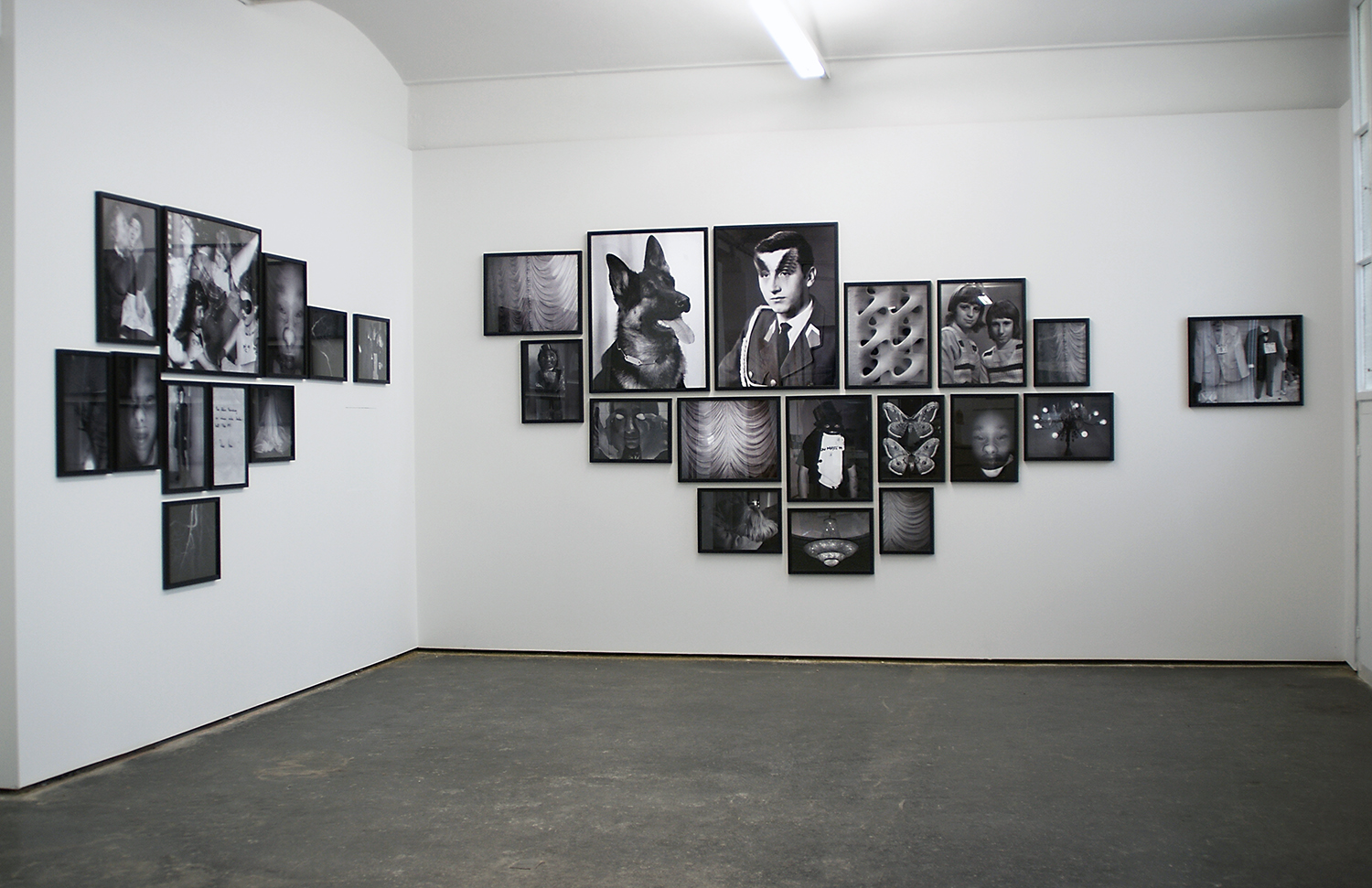
Wiener Nachtpfauenauge, 32 photographs framed,
measurements
and hanging variable, 2014
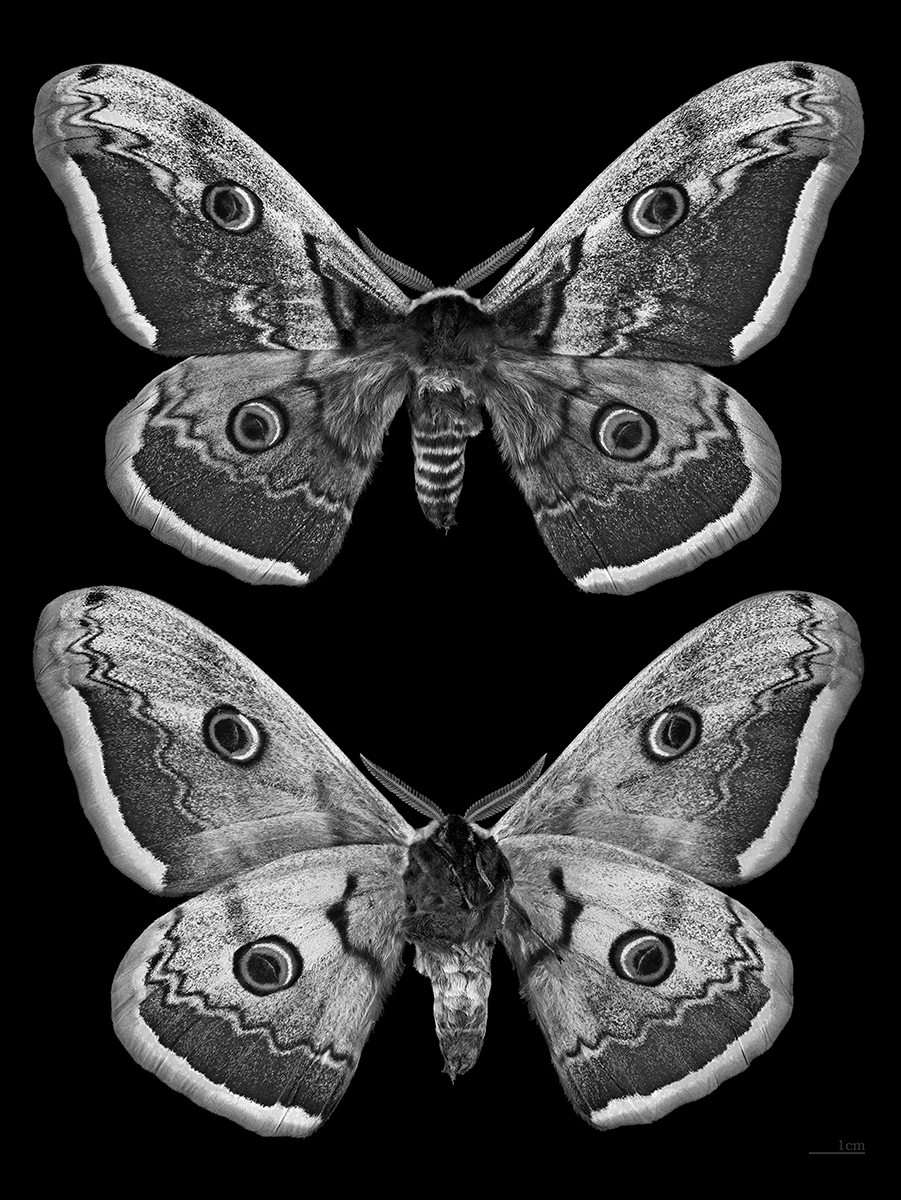
The Vienna peacock moth is an endangered species of butterfly from the family of peacock moths. Males and females of this light-sensitive moth have the same colouring and, with a wingspan of 10.5 to 16 cm, it is the largest butterfly in Central Europe. However, its most striking feature is the dark eye spot on each wing. The pair of eyes on its back makes the insect's body look like a face. As a means of deception, it is not only decorative, but above all a strategy in the daily struggle for survival. It is a sophisticated game of hide-and-seek and an irritating bluff that makes the butterfly appear even larger as a deterrent and protection against predators and makes it impossible to identify as an insect. It is no coincidence that Ulrike Johannsen has integrated a photo of two preserved Vienna peacock moths, one male and one female, into her installation of the same name. The characteristics of butterflies outlined here in brief already embody some of the central themes of her work: symmetry and duplication, the ambivalence of gender, questions of identity and its transformation, as well as the mask-like play with being and appearance.
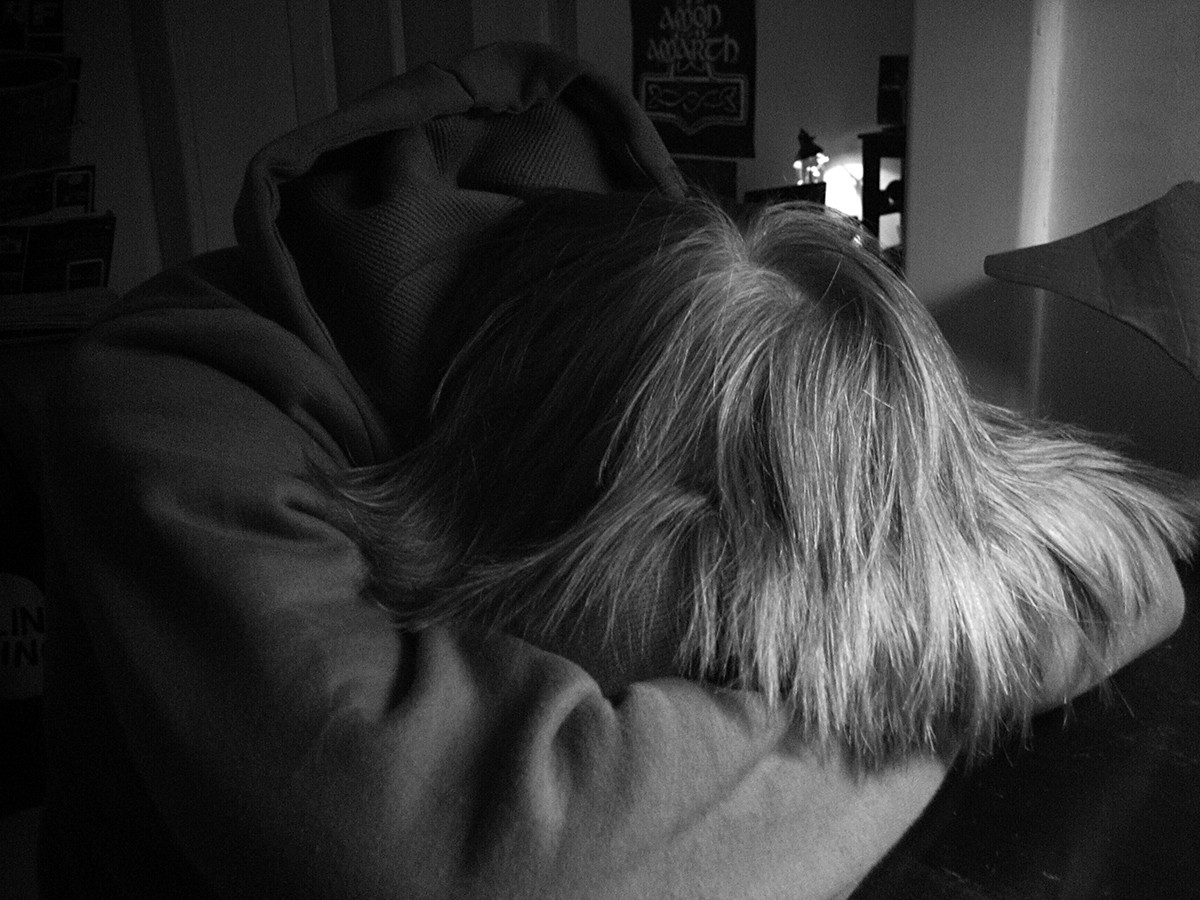
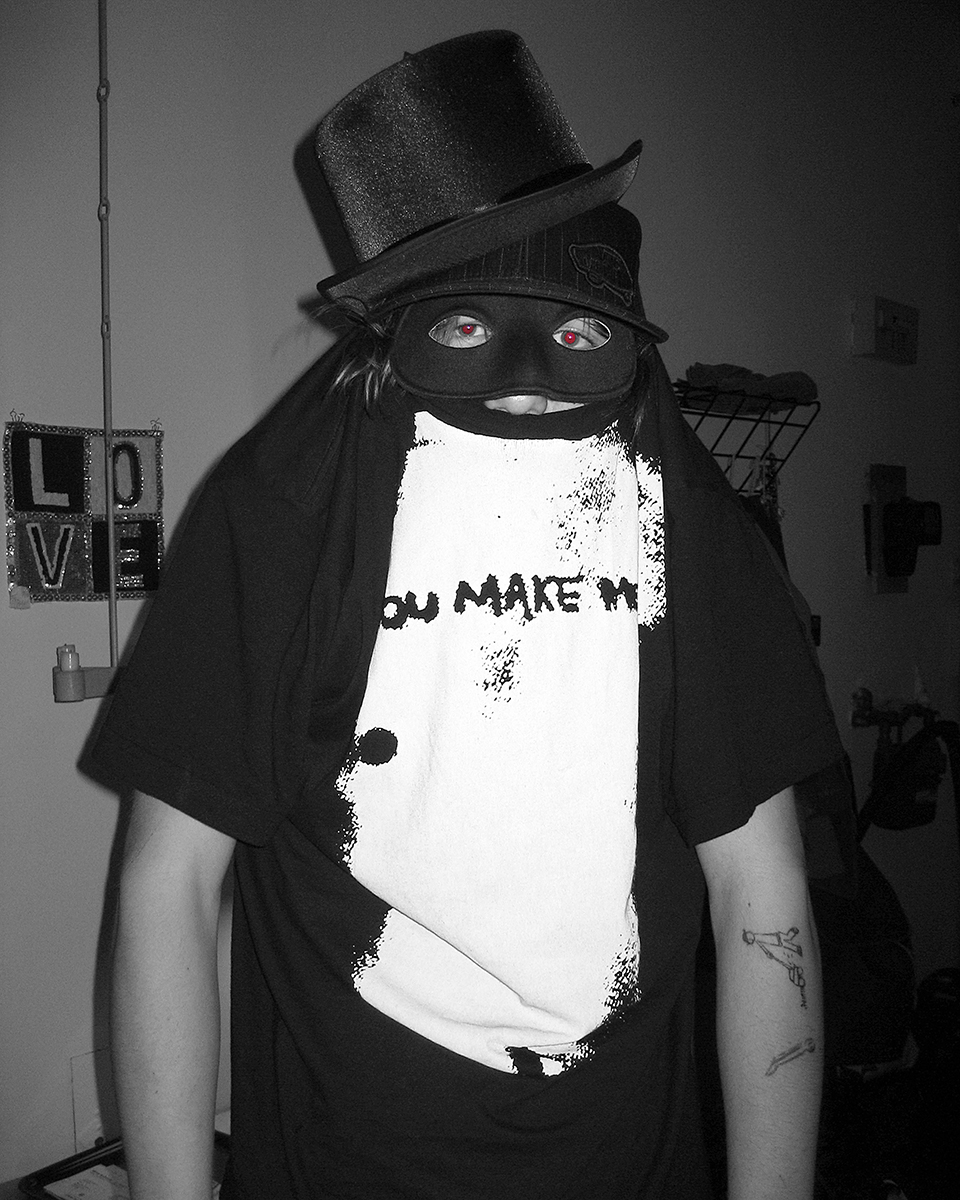
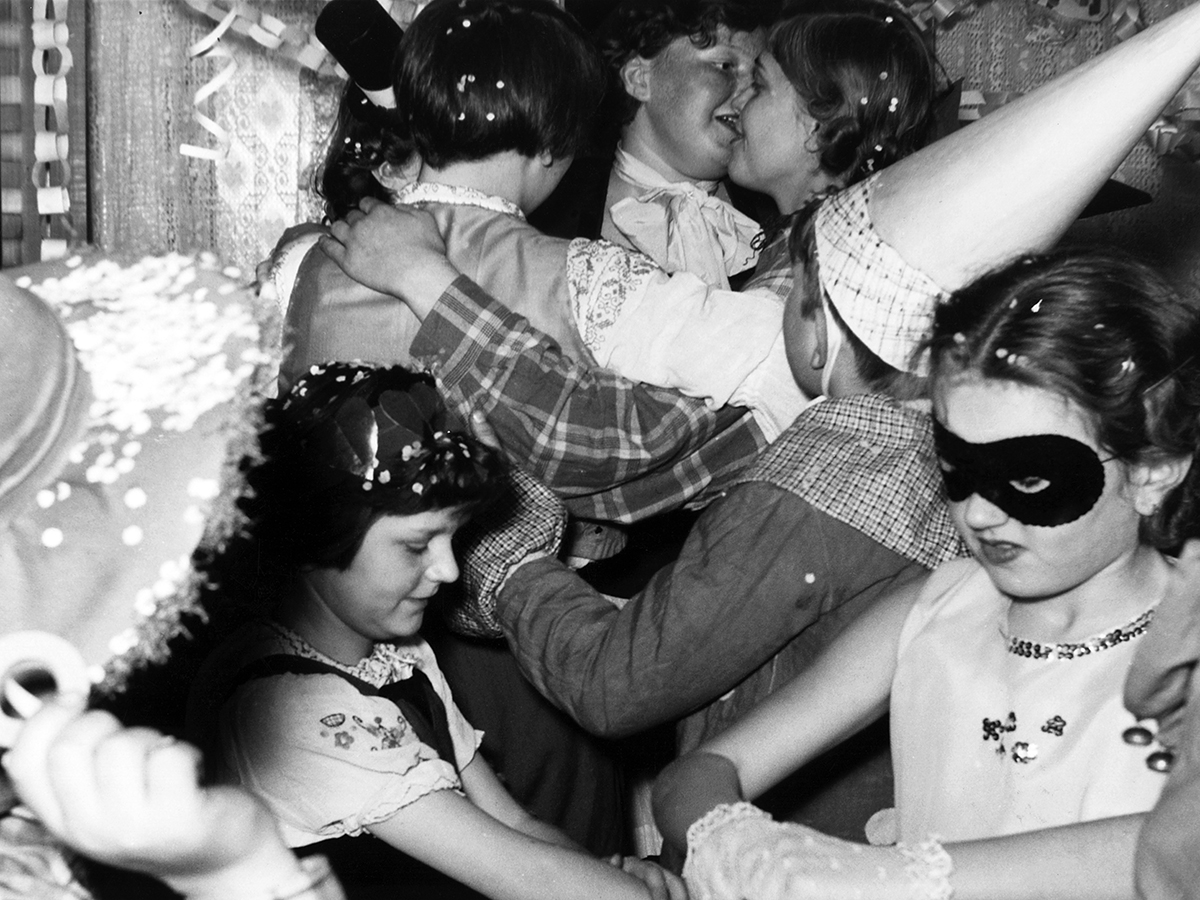
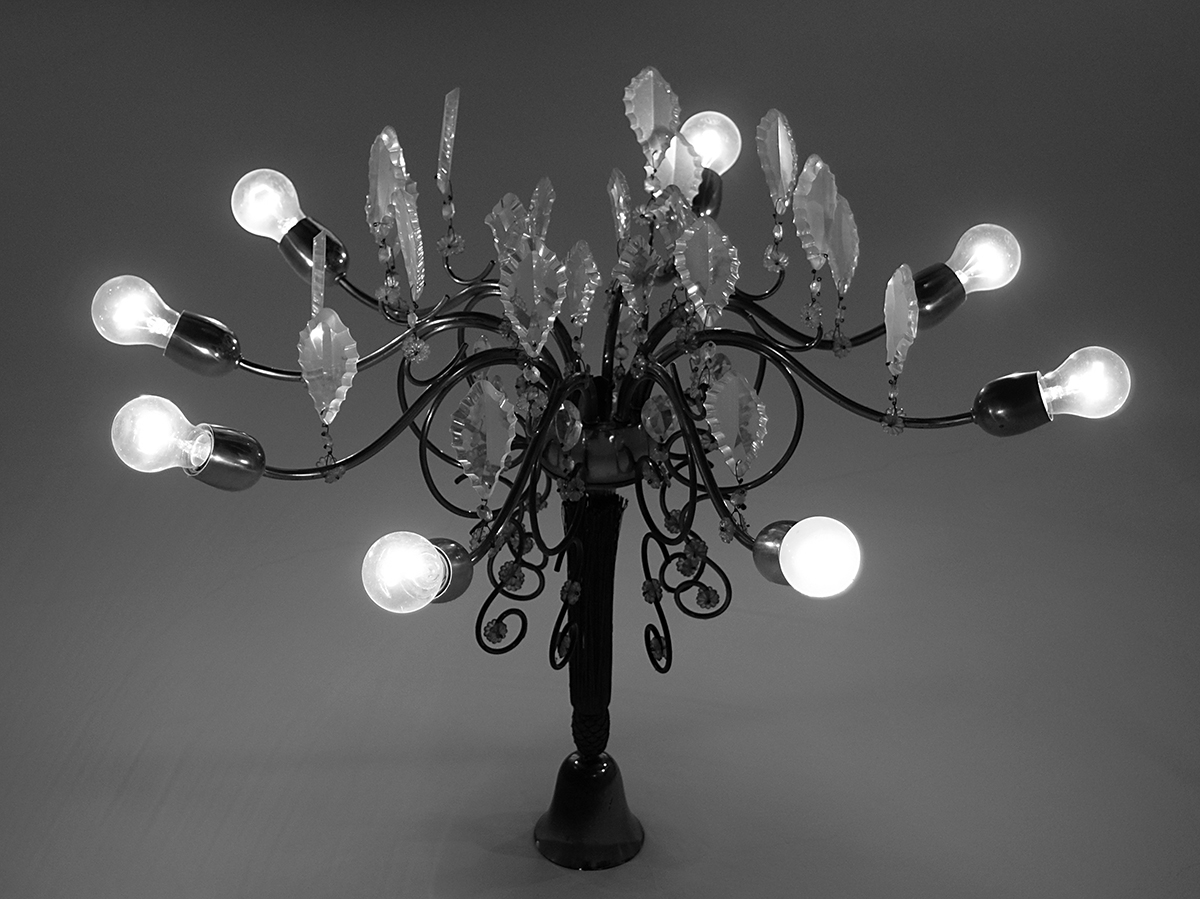
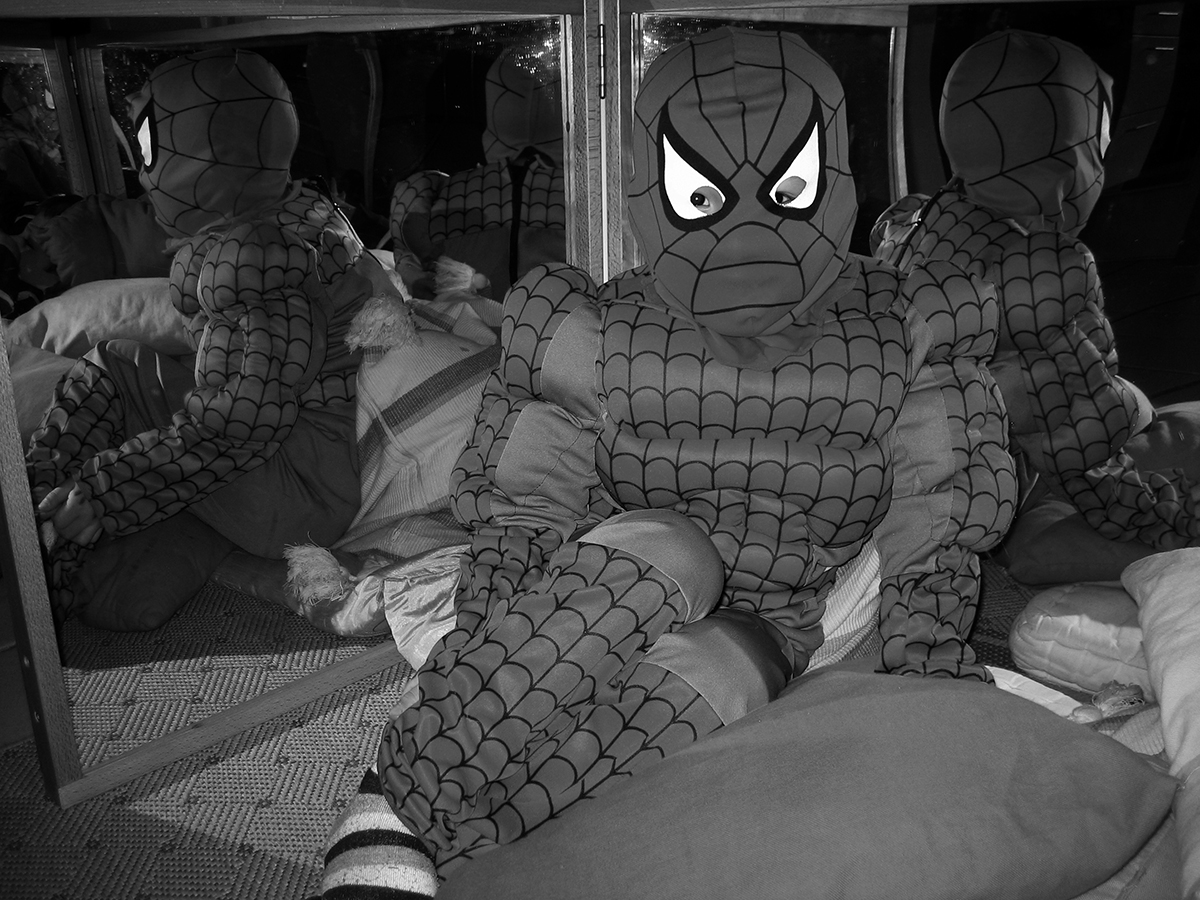
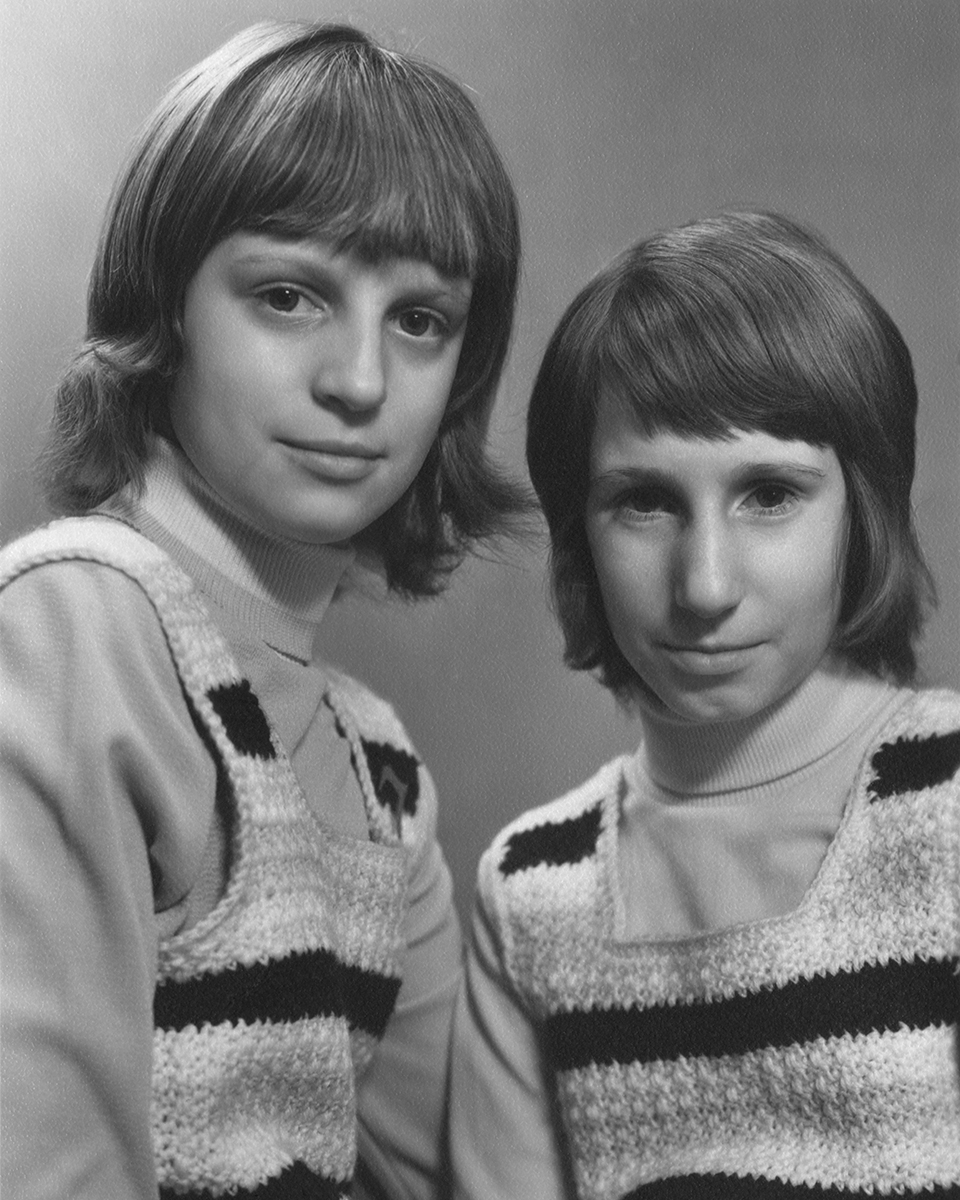
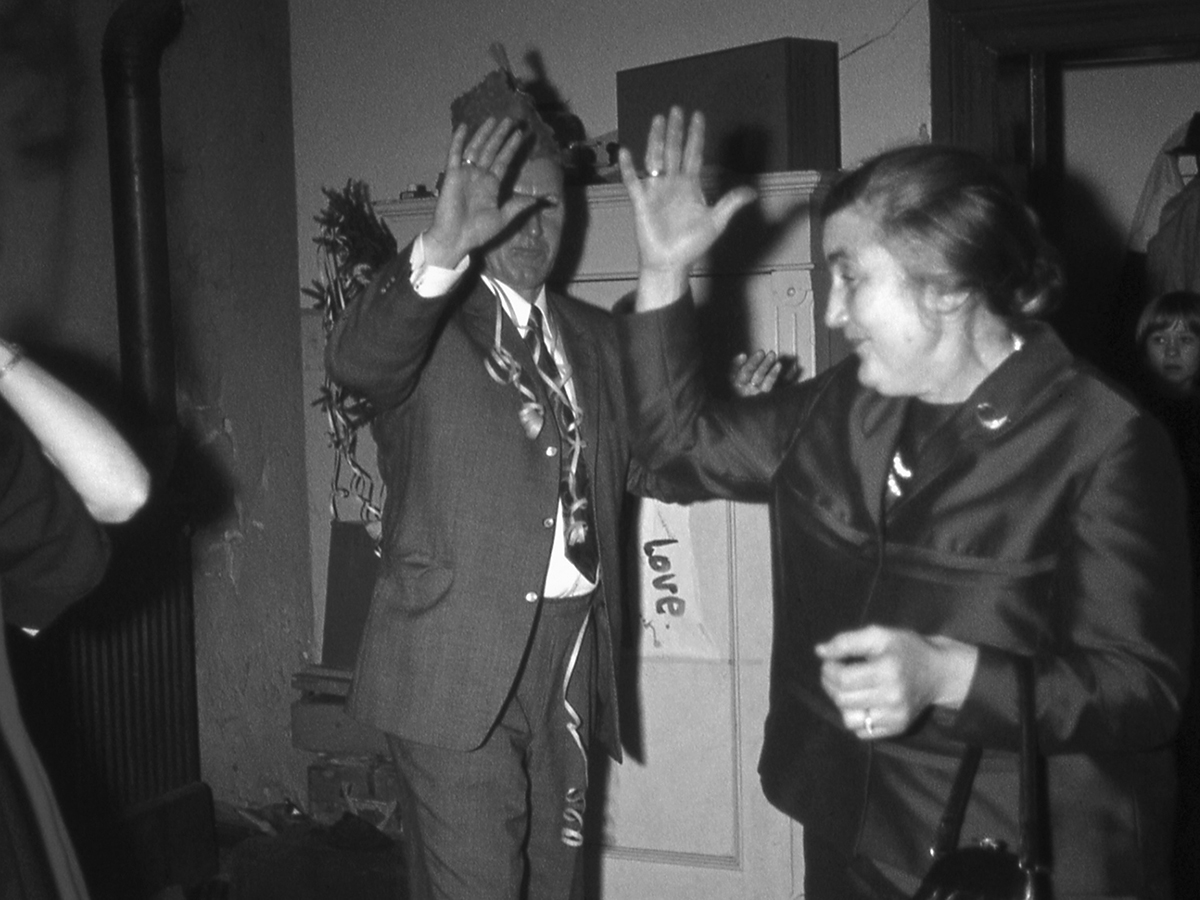
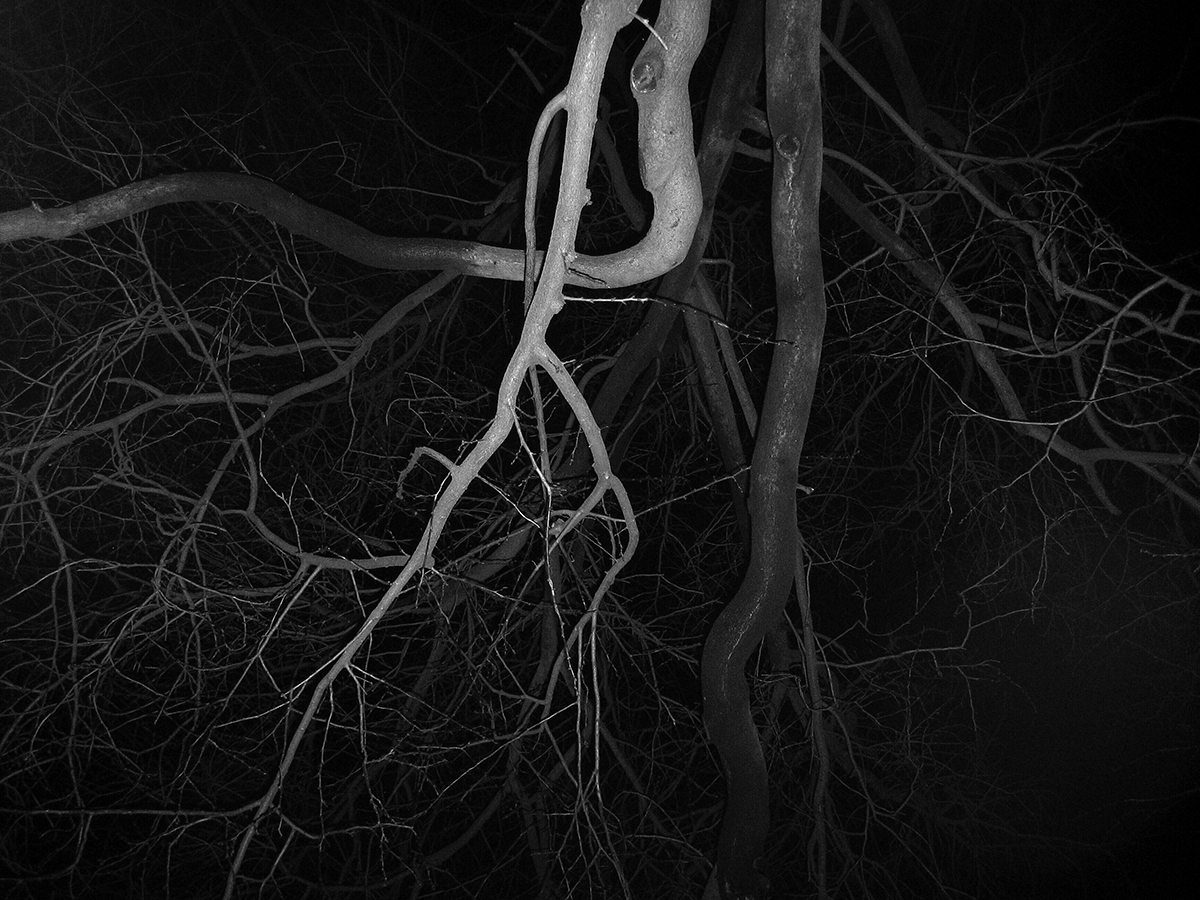
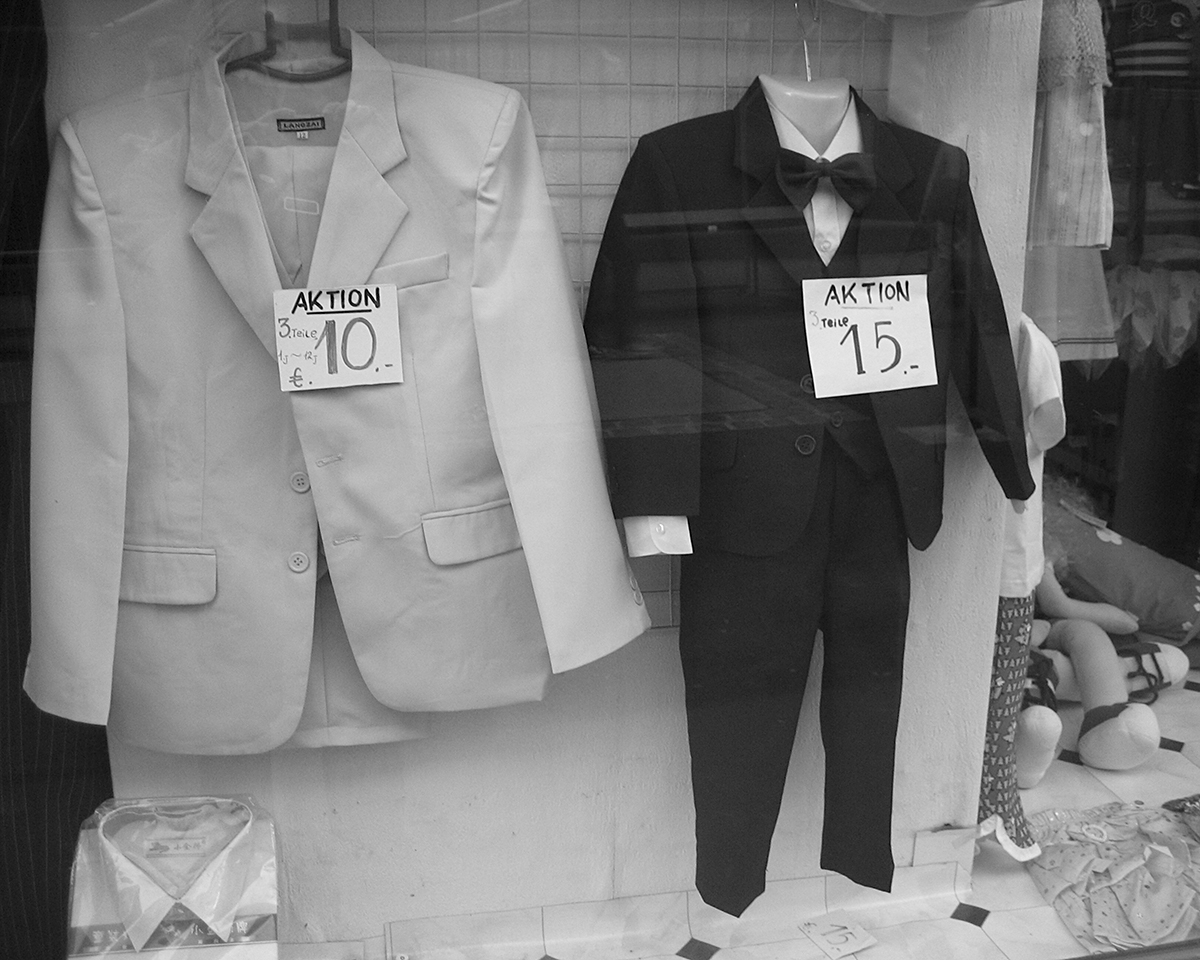
The 32 photographic panels that Johannsen arranges spatially on the wall in Wiener Nachtpfauenauge show a wide variety of motifs, such as the drapery of a curtain, the portrait of an Austrian guardsman, a carnival scene, two identically dressed young people posing in the 1970s, and a nocturnal landscape. The images come from equally diverse sources. Carefully researched material is juxtaposed with snapshots from family albums or photographs found at flea markets, some of which the artist collected over many years and stored in her own archive before they found their place in the decentralised grid of this installation. Johannsen arranges the picture panels in a system that is both structured and open. The seemingly disparate elements prove to be imbued with an inner logic. Together, the images form a structure in which the distant facts and sign systems connect with each other and reveal surprising formal similarities and thematic affinities. Within this diversity, individual, structuring lines emerge, forming narrative strands with cross-connections and overlaps, and in places also vanishing lines.
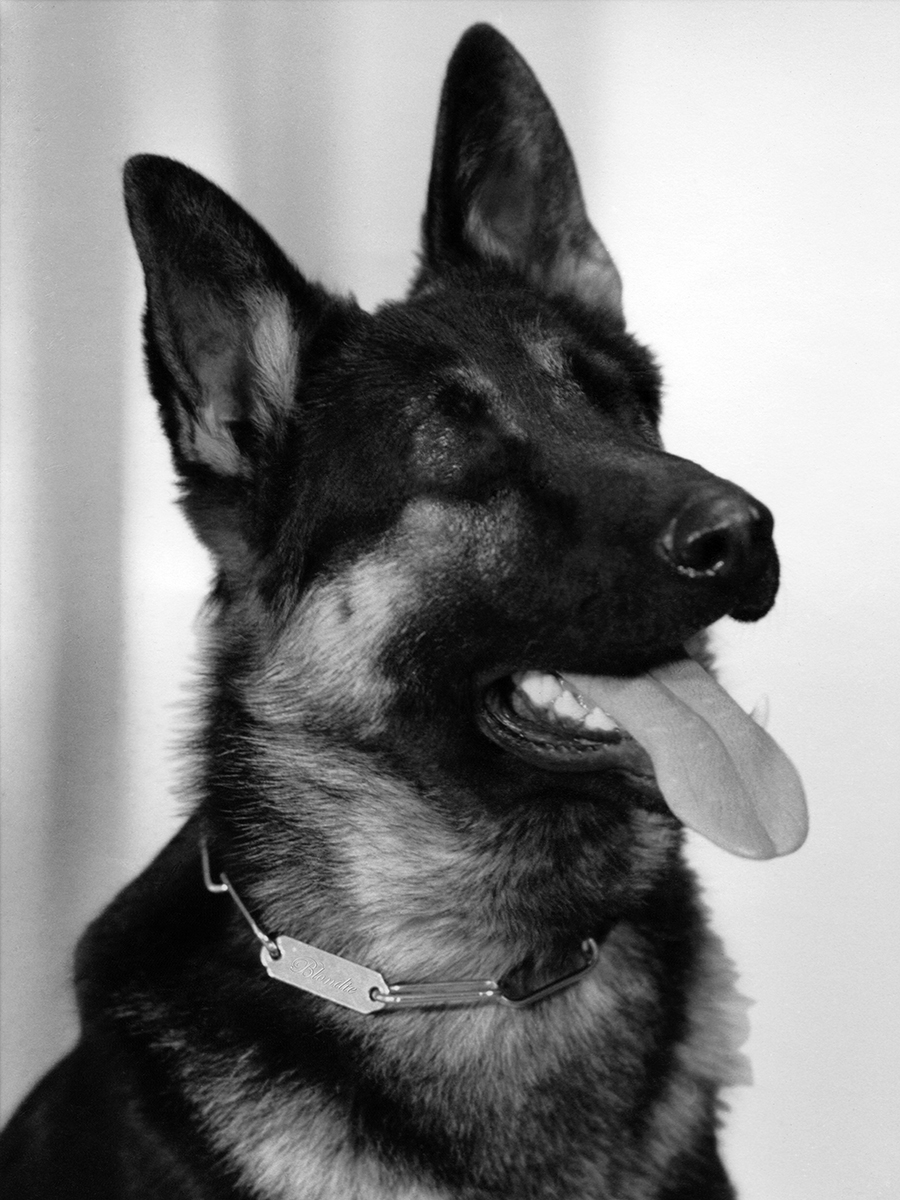
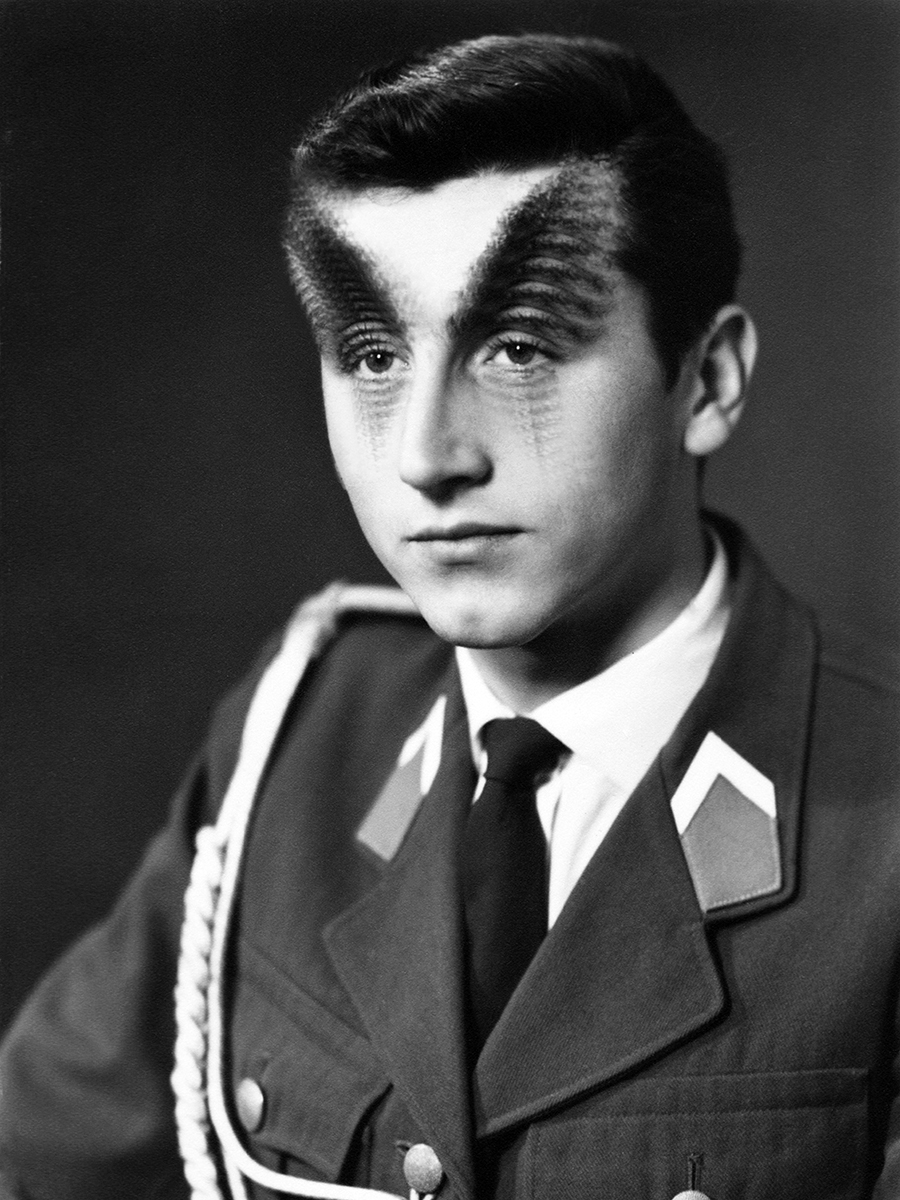
The complexity of the narrative structure becomes clear when one follows the chain of motifs: hair – uniform – youth. A hairstyle can reveal fashions as well as social roles and positions. As part of the body, hair is literally grown into a person, but at the same time it is so easily malleable that it can fundamentally change a person's appearance. The soldier seen in one of the photographs wears the short haircut prescribed by the military. As part of his uniform, the short hair emphasises his role as a representative of the state. However, the young man's gentle, dreamy eyes stand in stark contrast to this. The tension is broken by his eyebrows, which have been multiplied and exaggerated in Photoshop – a bizarre moment that seems like an image glitch. The hair sprouting above his eyes gives the young man a diabolical, werewolf-like appearance. Perhaps his aggressive instincts grow along with his hair, or is he merely a tamed wolf – like the eyeless dog hanging next to him in a double portrait? The soldier's eerie transformation can be interpreted not only as his becoming an animal, but also psychologically as a sign of growing up and strengthening adolescence. In contrast, the sexuality of the two identically dressed youths cannot be clearly determined. Girl or boy? Their identical long haircuts contribute significantly to the uncertainty surrounding this question. What is particularly striking here is how neatly their hair is combed. Whether this is their actual hairstyle or just a hard-won compromise between the young people and their parents for the representative family photo remains open. In any case, the combed hair seems like nothing more than a weak fashion statement compared to the wild manes that were the ultimate symbol of personal freedom and individuality for the rebellious youth of the 1960s and 1970s.
Given the ambivalent significance attached to the appearance and, in particular, the hair of the people depicted here, the question arises as to what extent it is even possible to choose an identity or even just a role, and by what means these are offered or imposed. Both processes of shaping appear to be almost inextricably intertwined. In this context, a central point of reference for Johannsen in the development of her work is a quote from Alice Munroe's short story Deep Holes. The story is about a parent-son relationship in which the son shirks every caring and social expectation placed on him and his talents. After years without contact, he writes to his mother: ‘It seems so ridiculous to me (...) that a person should be expected to lock themselves into a uniform. I mean something like the uniform of an engineer or a doctor or a geologist, and then skin grows over it, over the uniform, I mean, and that person can never take it off again.’
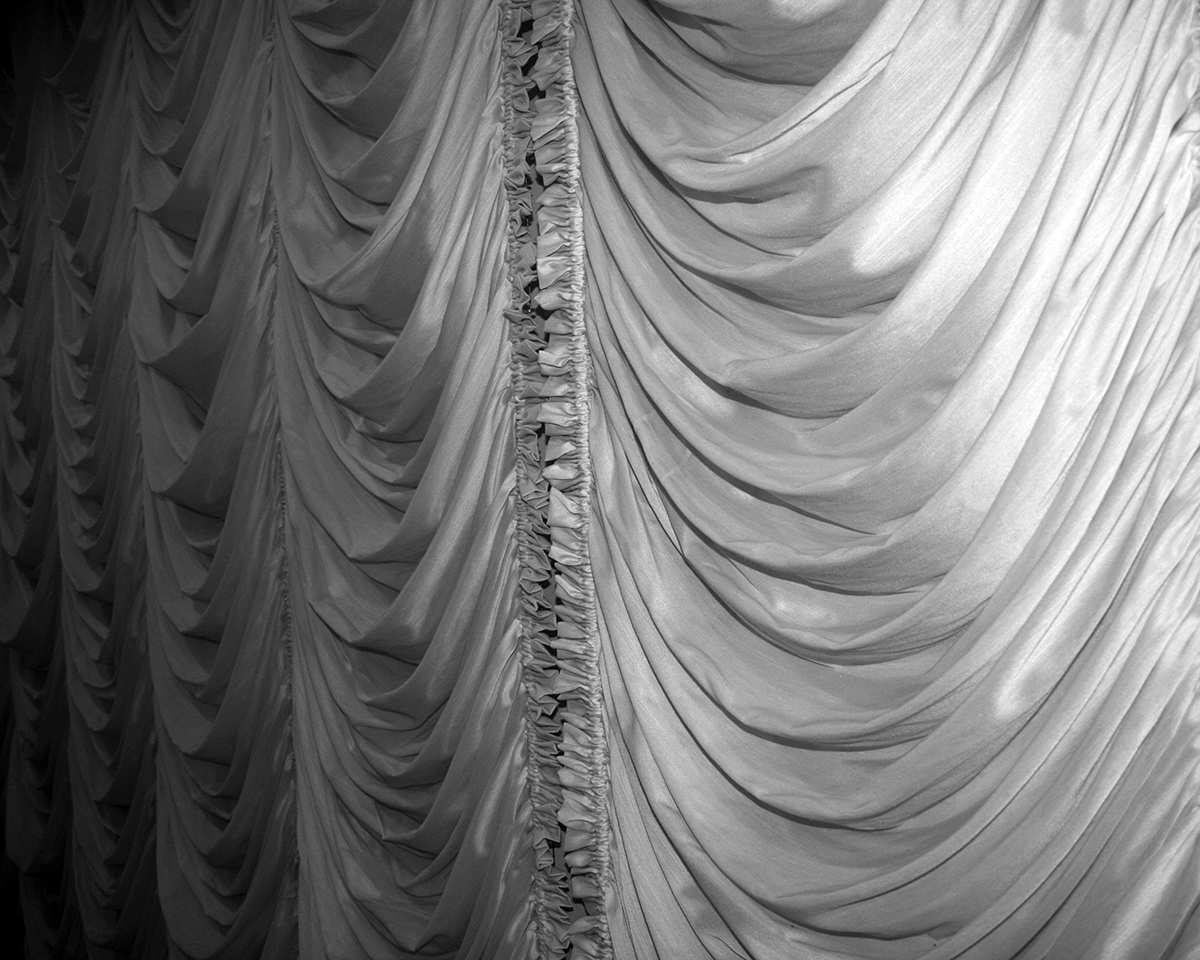
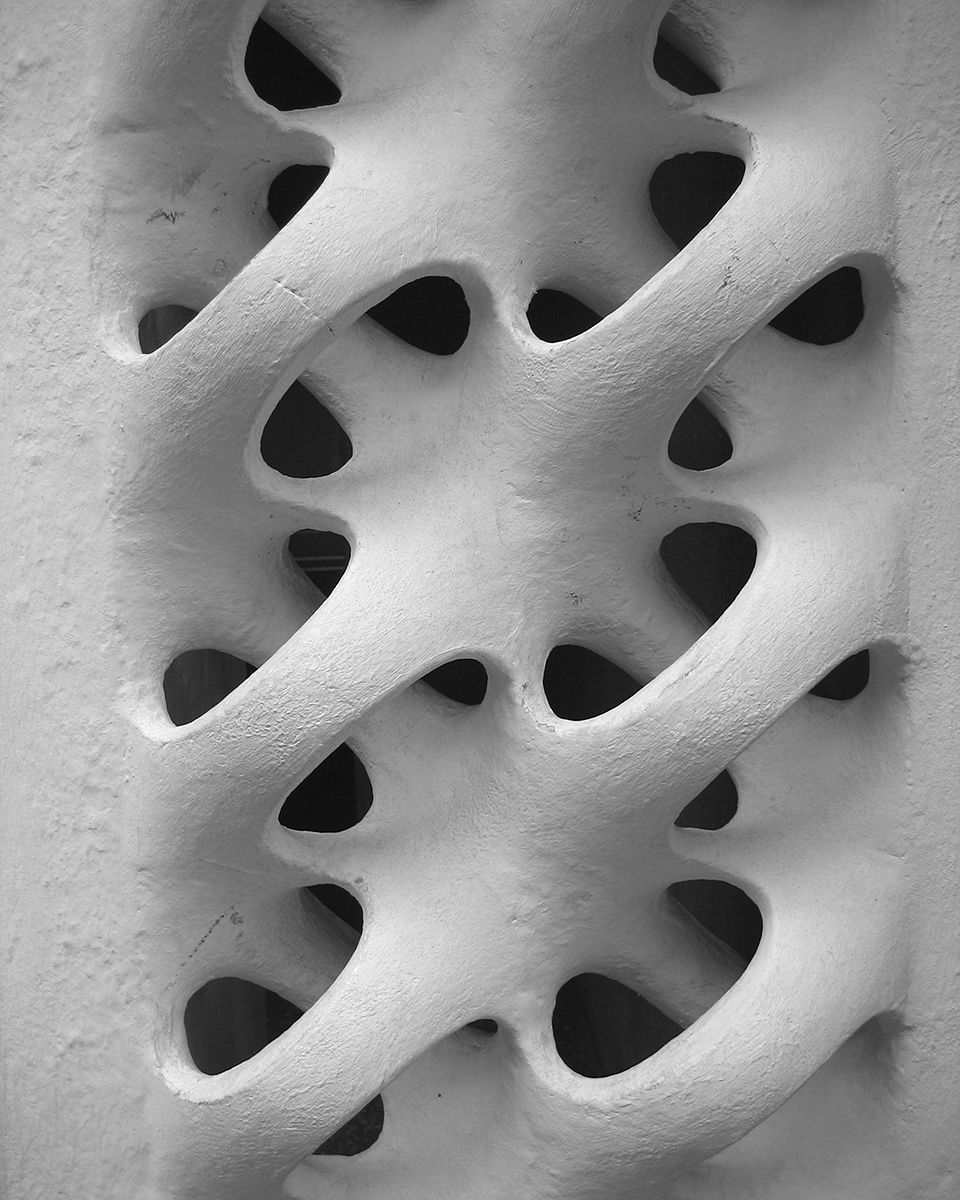
Another possible narrative thread can be developed based on the motif of the curtain or wall. In the illustrations selected by Johannsen, the curtains are draped in baroque folds that testify to the malleability of the material, forming a pattern yet creating divergence due to the slight variations in the drapery. Curtains divide a room in two. By unfolding fully, they conceal something, hiding the space behind them and thus becoming a kind of wall. These opaque curtains are juxtaposed with the image of a perforated wall. The façade design, which can only be seen in part, shows a grid of concave and convex curves that form an unsettling geometry. The façade, an early work by sculptor Erwin Hauer, was realised in the early 1950s in Vienna's Dorotheergasse. However, the historical facts soon unfold as a dead end in the narrative structure of the work. Instead, the structure depicted appears more relevant: The potentially infinite surface, constructed from modules and following the principle of repetitive interpenetration of inside and outside. The edges and surfaces merge into one another and offer no orientation. The surface vibrates. Supported by the play of light and shadow, the wall begins to dissolve as a boundary between the rooms. But despite its permeability, what happens behind the wall remains a mystery. The same could be said about another of Johannsen's motifs: behind the mesh of a stocking mask, a face emerges whose individual features are rendered unrecognisable by the holey covering, thus mutating into a grimace. Inner movements and lines of resistance remain inscrutable. Both the face and the person are visible and invisible at the same time. The eye inevitably also belongs to this thematic field of seeing, transparency and invisibility. This text has repeatedly referred to the eye as a connecting element between the inside and the outside: the emperor moth, the sad eyes of the young man, the missing eyes of the dog, now the transparent wall, the wall as an eye, the eyes behind the holes in the mask. The motif imposes itself as a kind of cross-connection to the narrative strands that have been pursued in greater detail here so far. In this way, piece by piece, we begin to uncover the narrative structure of Wiener Nachtpfauenauge. By asking where and how intensities are generated in the spaces between the images, Johannsen opens up new perspectives and reveals unexpected connections between the individual panels of her installation.
Annette Südbeck