




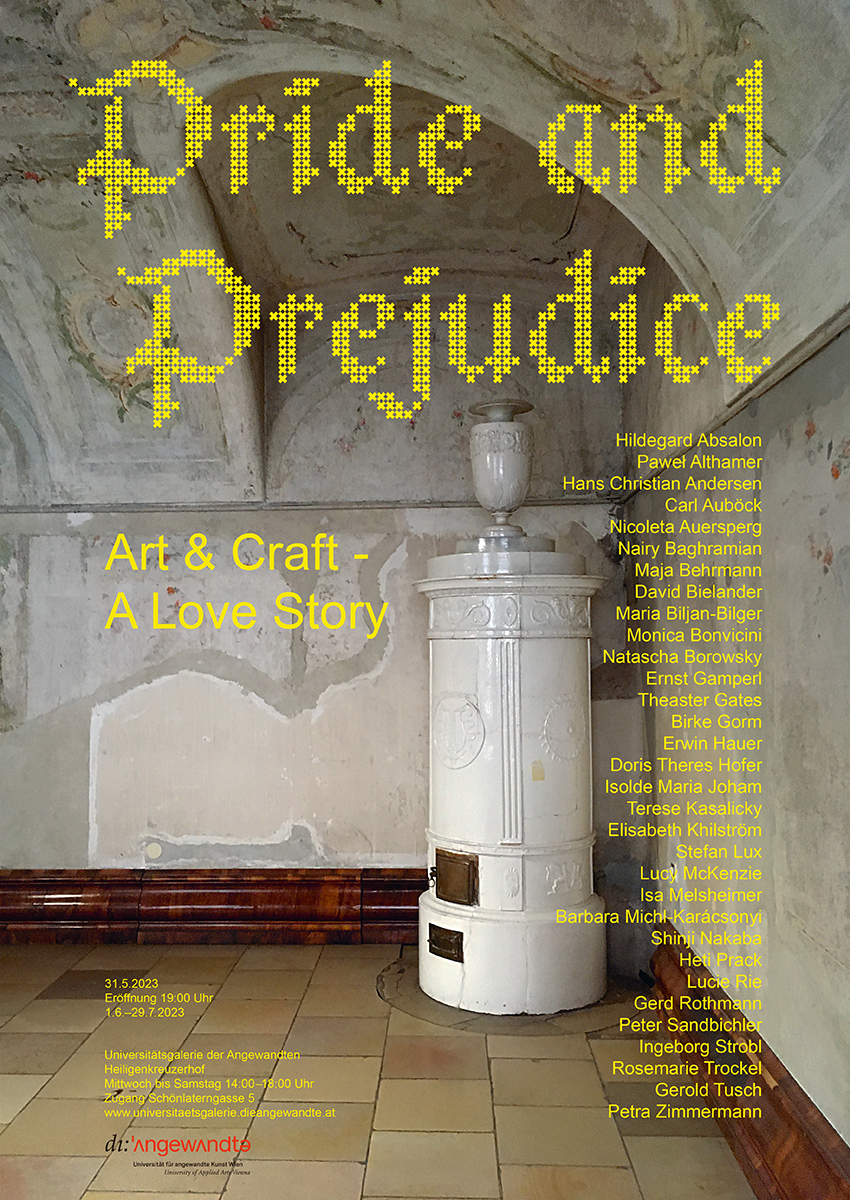
Pride & Prejudice, Art and Craft – A Love Story
The University Gallery of the Angewandte
Heiligenkreuzerhof
Vienna, Austria
1.6.–29.7.2023
Curators: Ulrike Johannsen, Alexandra Zaitseva
Exhibition design: Ulrike Johannsen
Grafic design: Ulrike Johannsen
Photos: Stefan Lux
Hildegard Absalon, Paweł Althamer, Hans Christian Andersen
Werkstätte Carl Auböck, Nicoleta Auersperg, Nairy Baghramian
Maja Behrmann, David Bielander, Maria Biljan-Bilger, Monica Bonvicini
Natascha Borowsky, Ernst Gamperl, Theaster Gates, Birke Gorm
Erwin Hauer, Doris Theres Hofer, Isolde Maria Joham, Terese Kasalicky
Elisabeth Khilström, Stefan Lux, Lucy McKenzie, Isa Melsheimer
Barbara Michl-Karácsonyi, Shinji Nakaba, Heti Prack, Lucie Rie
Gerd Rothmann, Peter Sandbichler, Ingeborg Strobl, Rosemarie Trockel
Gerold Tusch, Petra Zimmermann
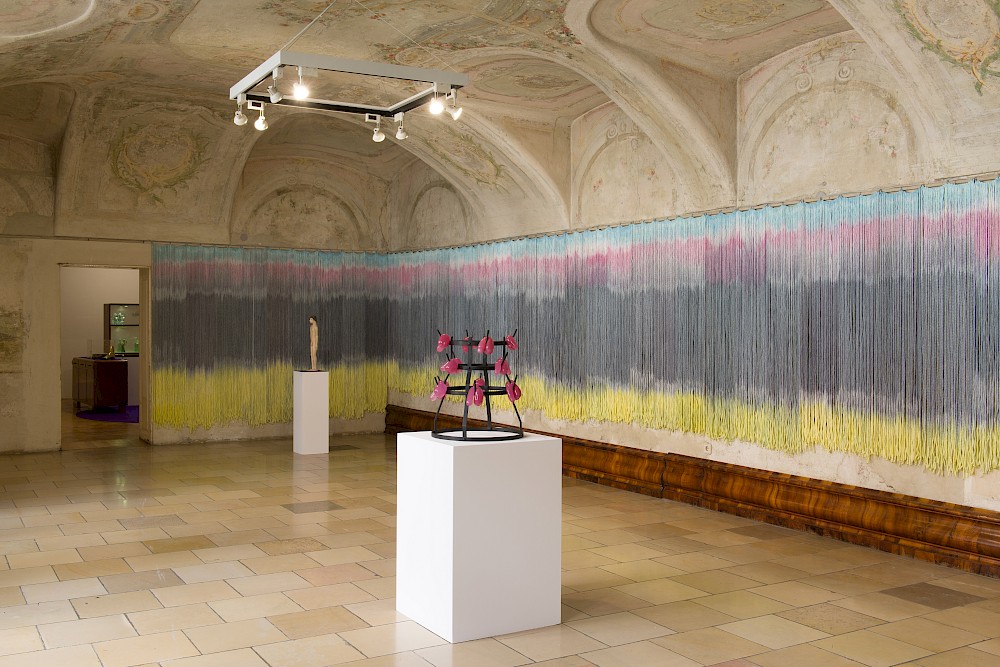
Exhibition view from left to right:
Paweł Althamer, Terese Kasalicky, Monica Bonvicini
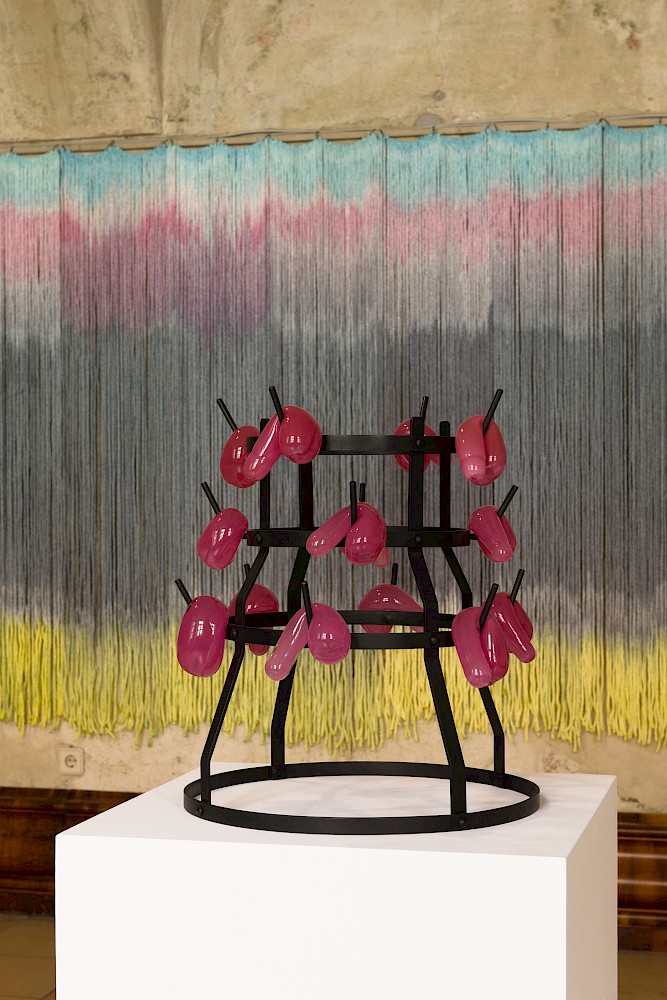
Monica Bonvicini, Fleurs du Mal (big bubble)
bronze, hand blown glass,
53 x 46 x 46 cm, 2022
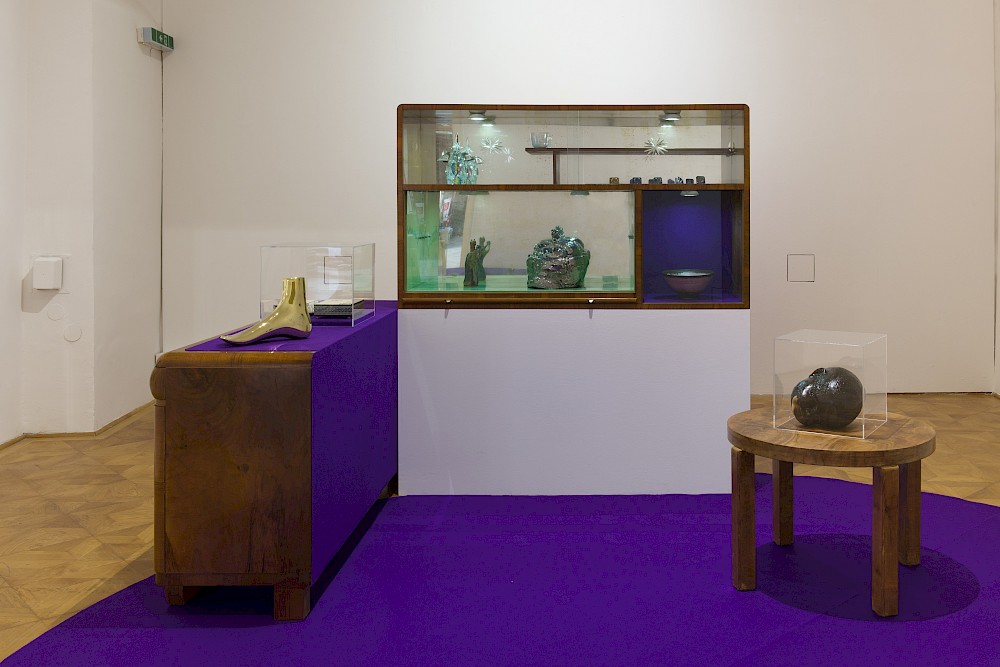
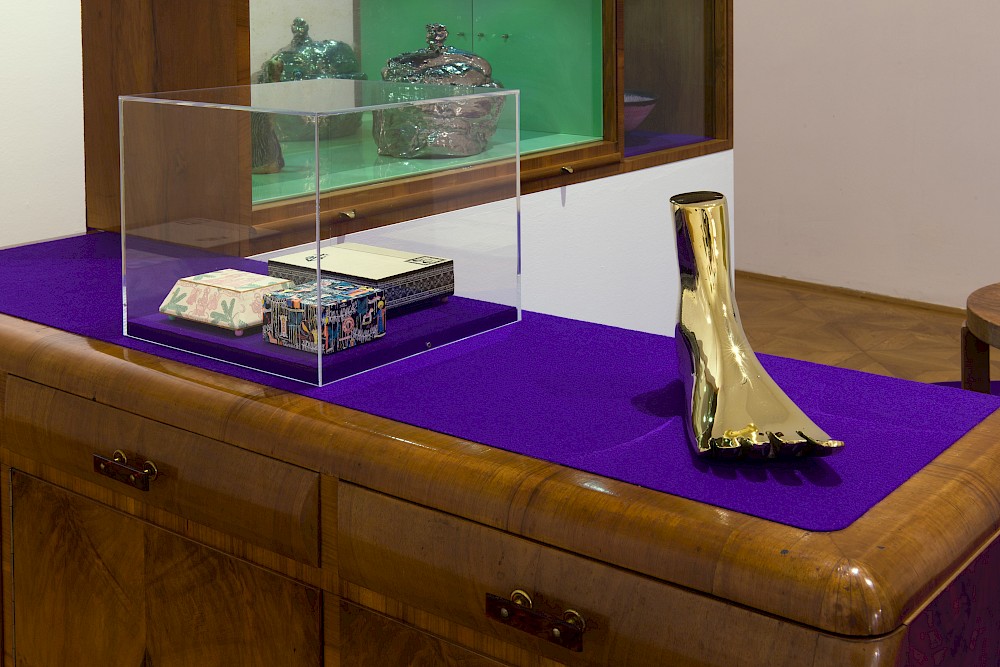
Exhibition view from left to right:
Werkstätte Carl Auböck, Lucie McKenzie, Isolde Maria Joham,
Nairy Baghramian, Petra Zimmermann, Maria Biljan-Bilger
Rosemarie Trockel, Lucie Rie, Theaster Gates
Exhibition view:
Lucie McKenzie, Rosemarie Trockel, Werkstätte Carl Auböck
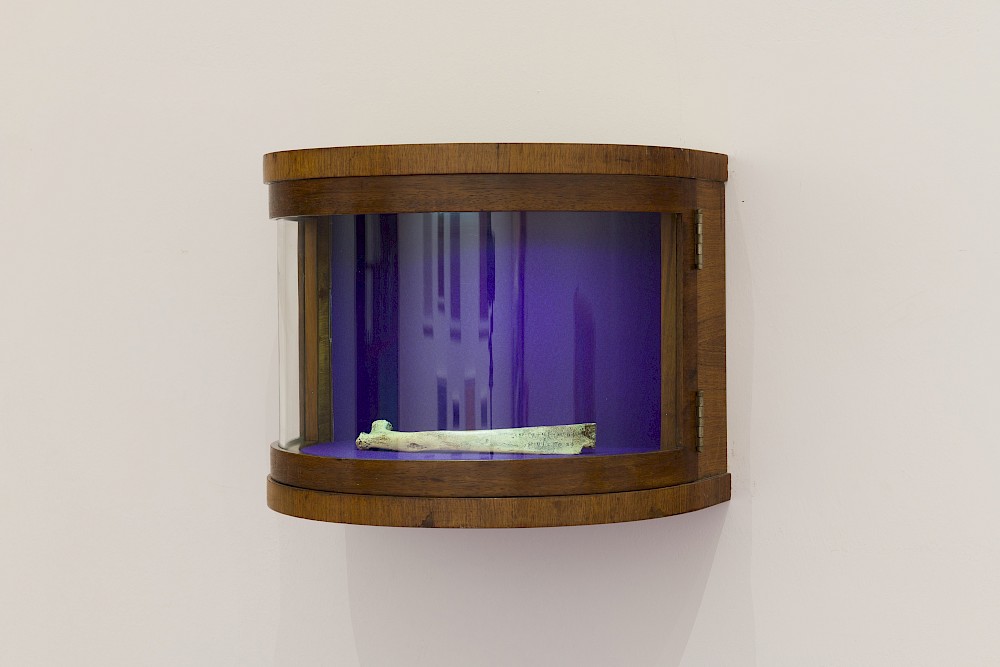
Ingeborg Strobl, Allgemeine Physik.
Ceramic, glazed, with burned in letters
(Heisenberg‘s formula),
140 x 41 x 41 mm, 1978
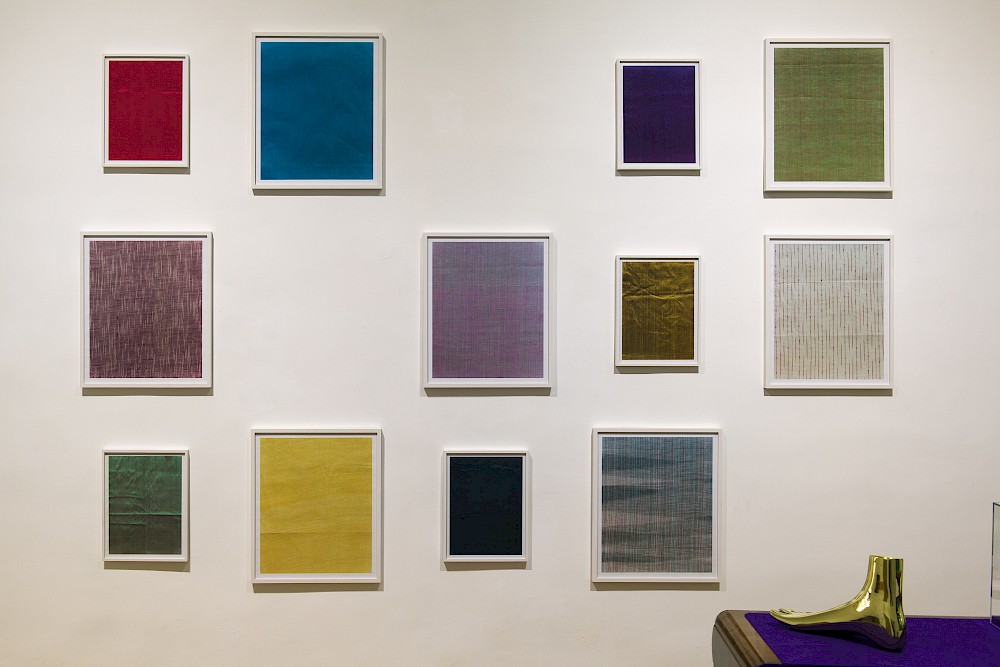
Natascha Borowsky, Khadi. 10, 12,13, 2015
Analogue C-print, framed with anti-reflective glass
and white wooden border
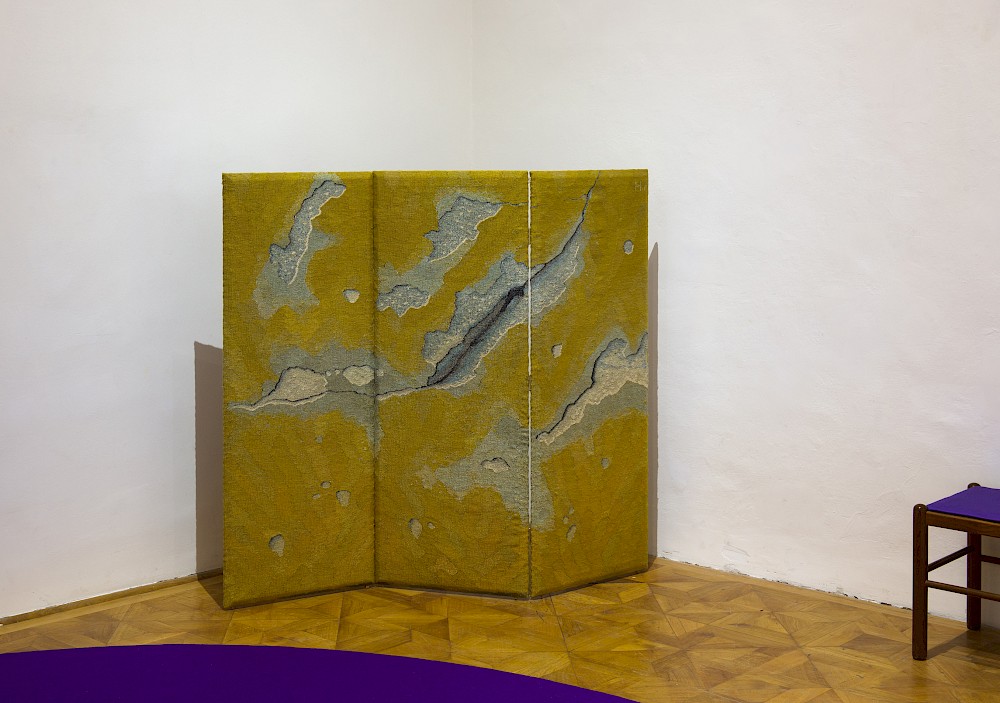
Hildegard Absalon, Screen. textile woven on wooden frame,
168 x 146 x 2 cm, date unknown
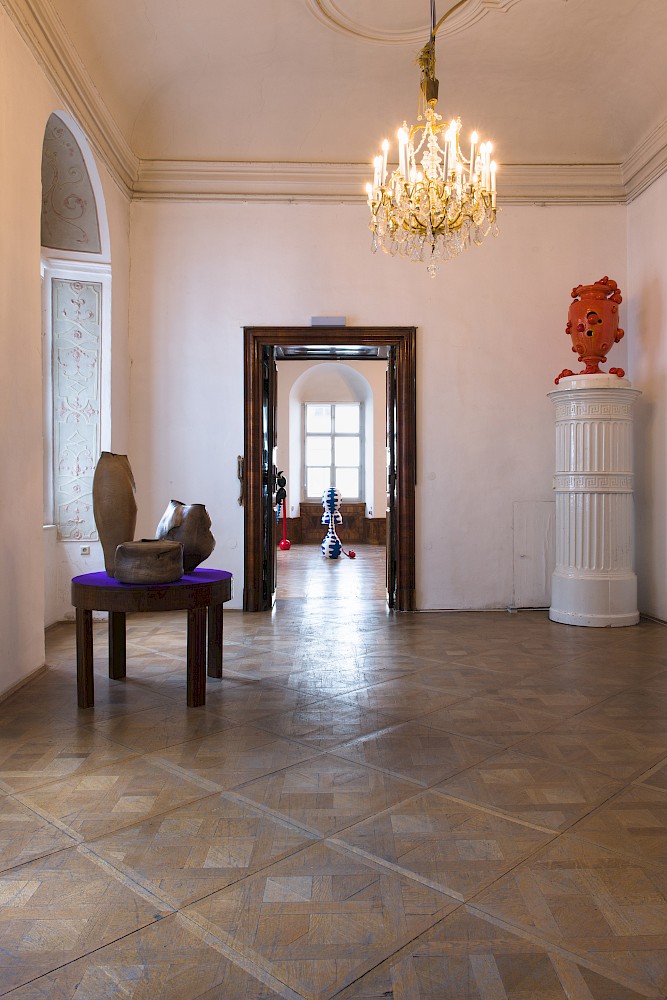
Exhibition view
Left to right: Ernst Gamperl, Maja Behrmann, Gerold Tusch
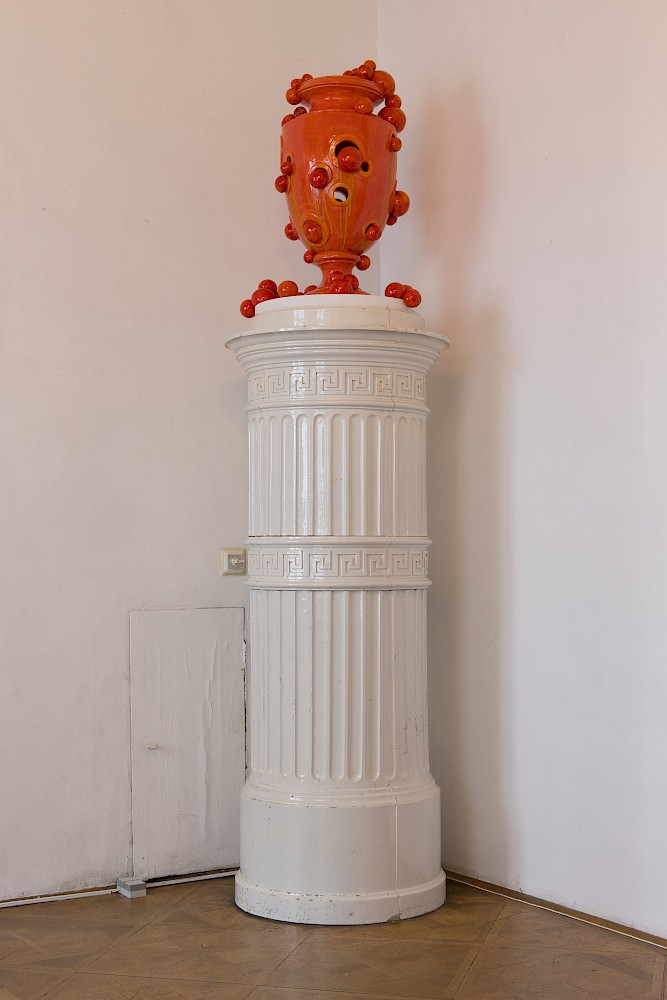
Gerold Tusch, Vase for the Heiligenkreuzerhof
Glazed ceramics, 2023
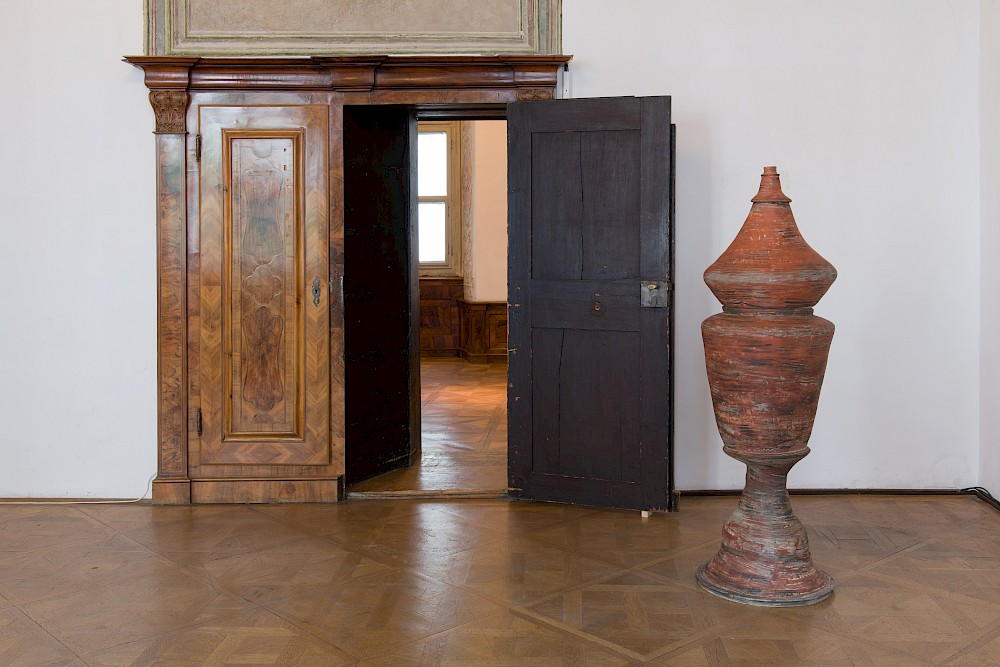
Barbara Michl-Karácsonyi, Large vessel
3 parts, clay built, painted, fired,
50 x 50 x 160 cm, 1997
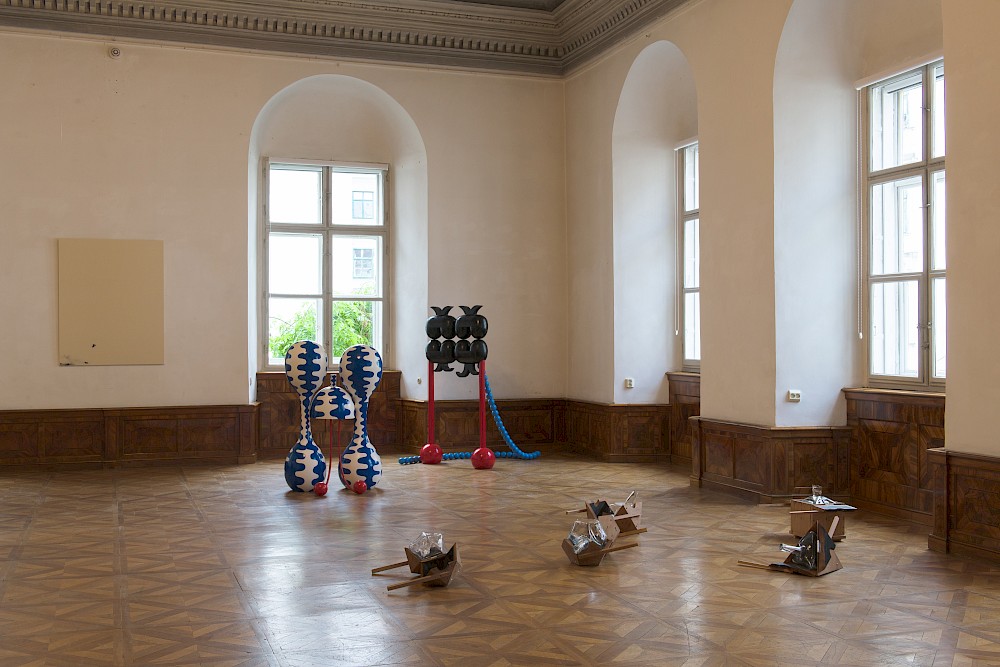
Exhibition view: Maja Behrmann, Nicoleta Auersperg
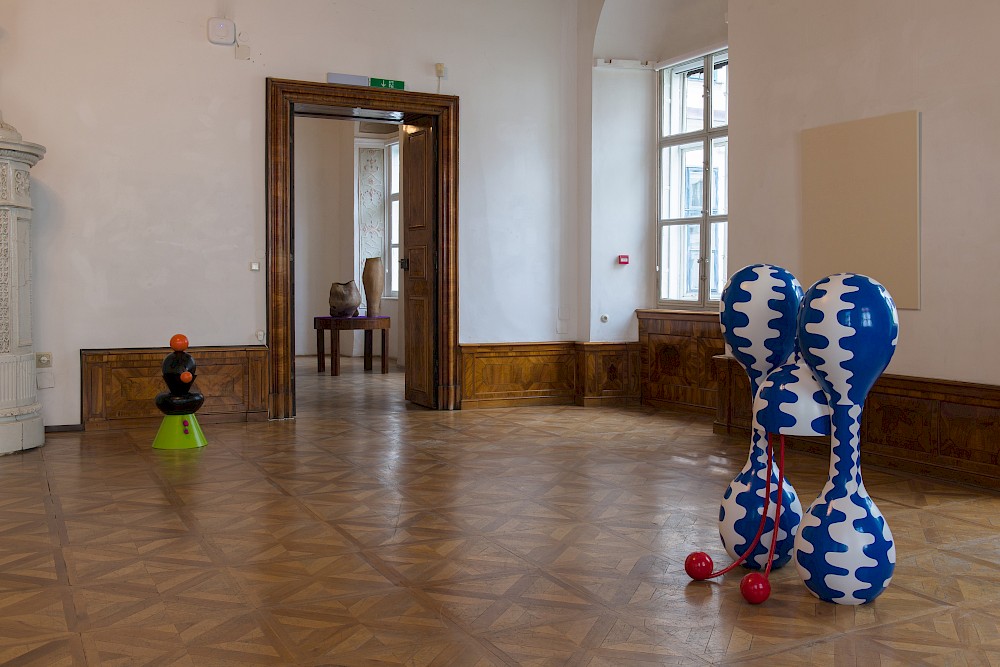
Maja Behrmann, Untitled (BigButti). wood, lacquer, metal,
131.5 x 87.8 x 80.3 cm, 2022
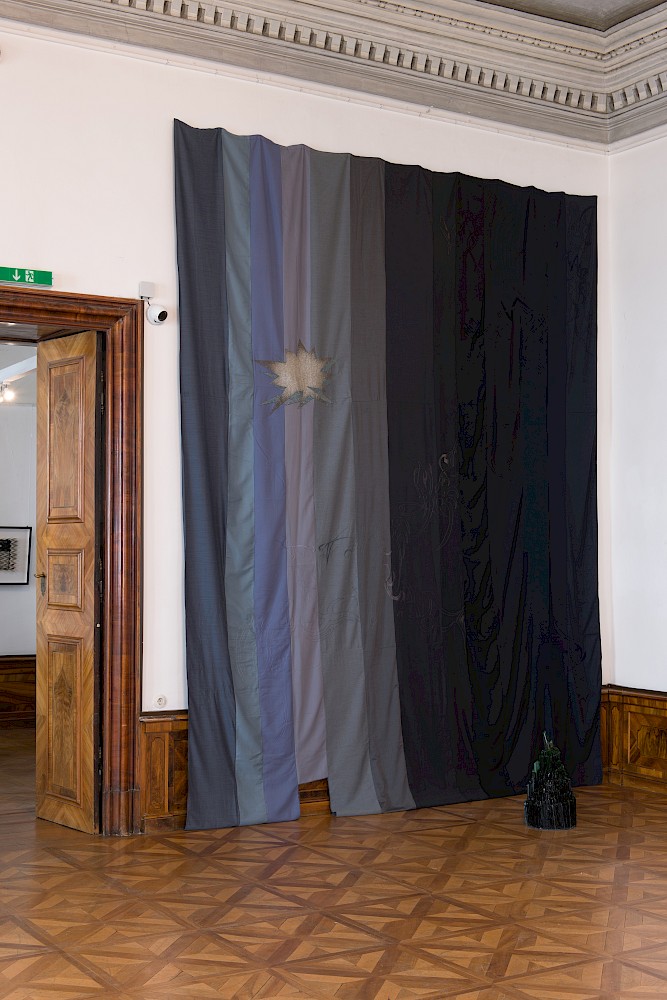
Isa Melsheimer
Loos, das Gesetz der Bekleidung, gegen die
Surrogaten
Men suit fabric, perls, embroidery thread,
410 x 336 cm, 2010
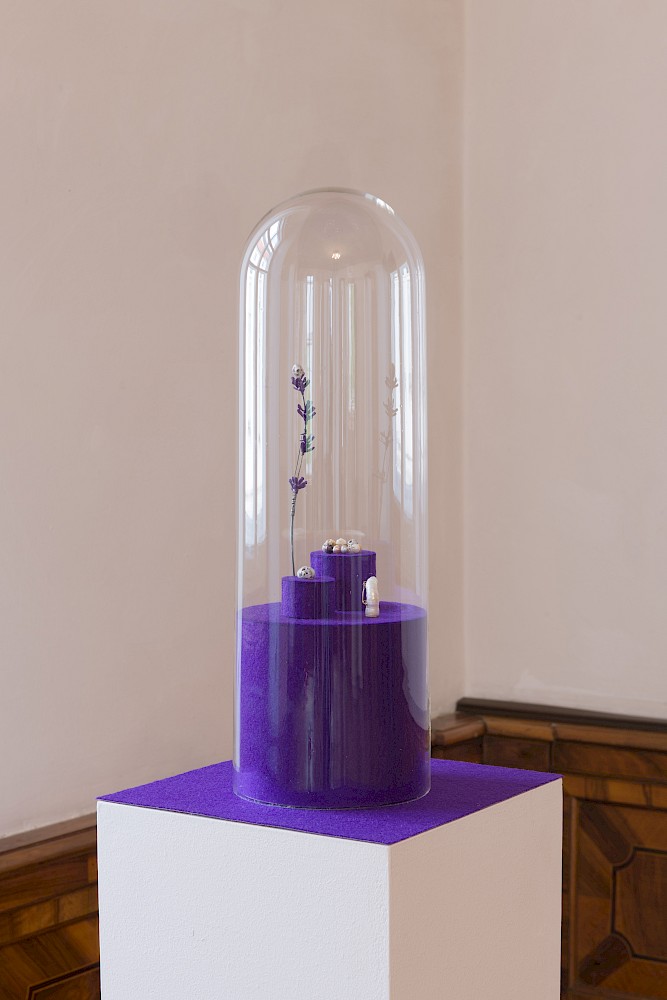
Shinji Nakaba
OMNIA VANITAS
A ring full of skulls, pearls,
stainless steel
40 x 40 x 14 mm, 2018
Lavender Skull, Pearl, stainless steel,
170 x 15 x 14 mm, 2014
Pearl Finger, Pearl, stainless steel,
18k gold, 55 x 25 x 12 mm, 2018
MEMENTO MORI,Pearl,
24 x 22 x 11 mm, 2021
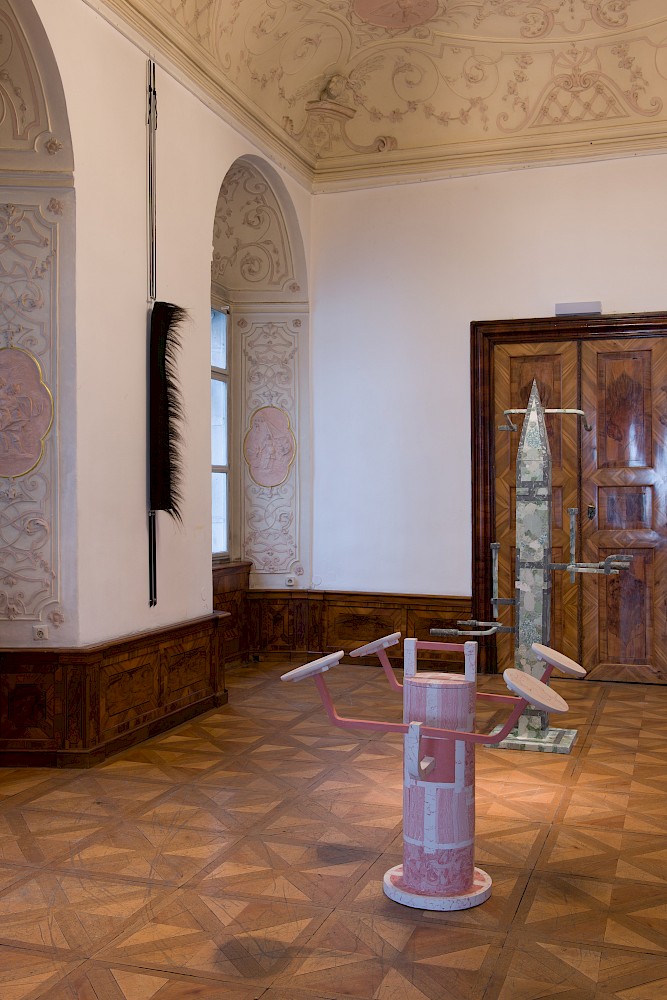
Exhibition view from left:
Elisabeth Khilström, Heti Prack
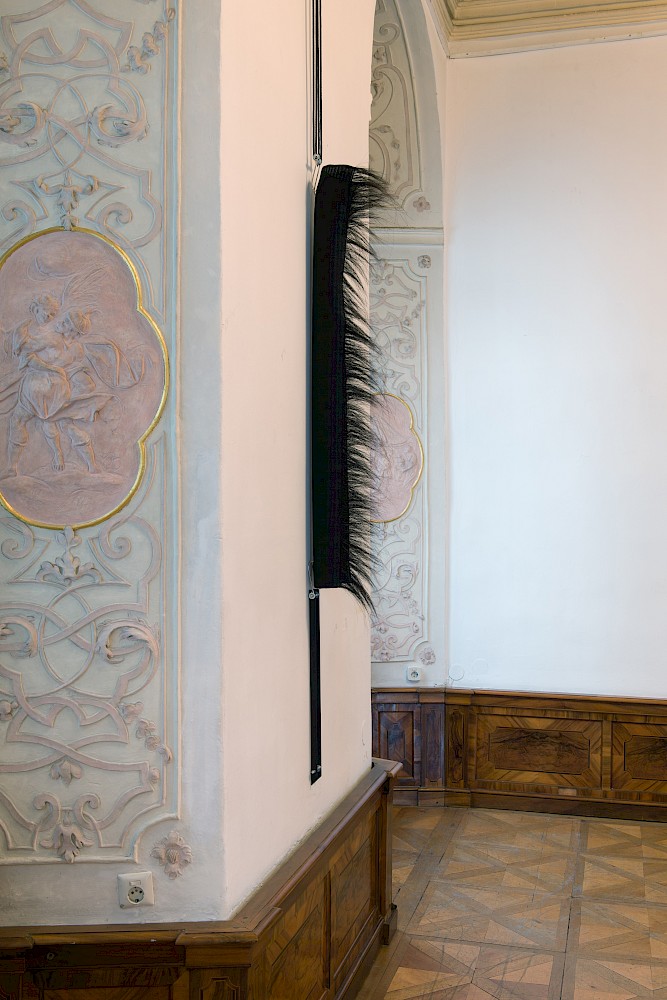
Elisabeth Khilström, Tension.
Two pieces, handwoven textile,
horse hair, cotton, metal,
each 360 x 30 cm, 2023
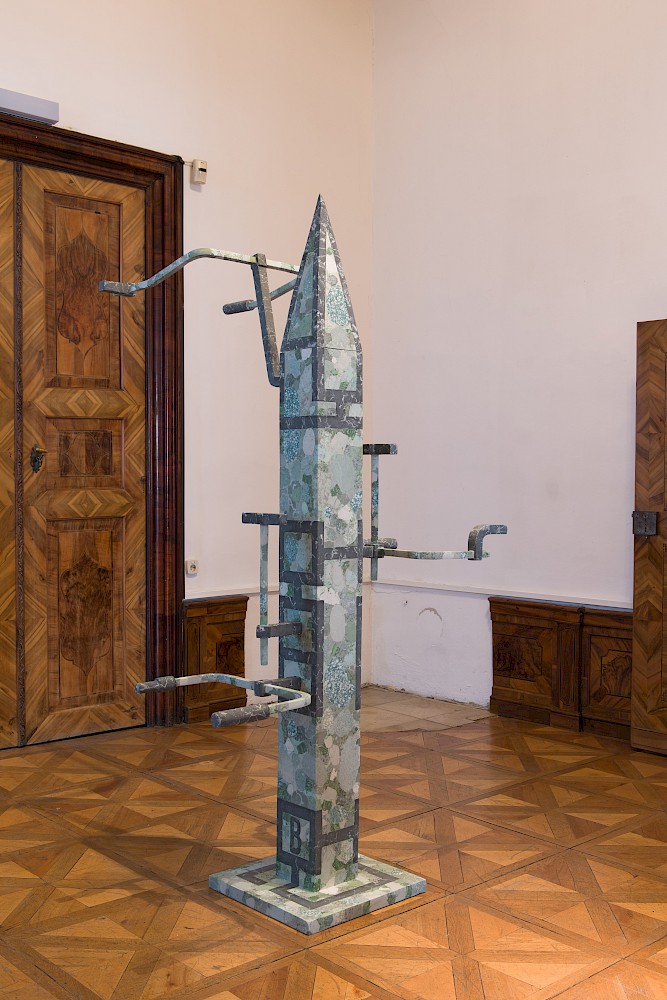
Heti Prack, Utopian Exercises
A) don’t reproduce - dip
B) degrowth - lift
C) stop unnecessary production - dip
218 cm x 119 cm x 105 cm, mixed media, 2023
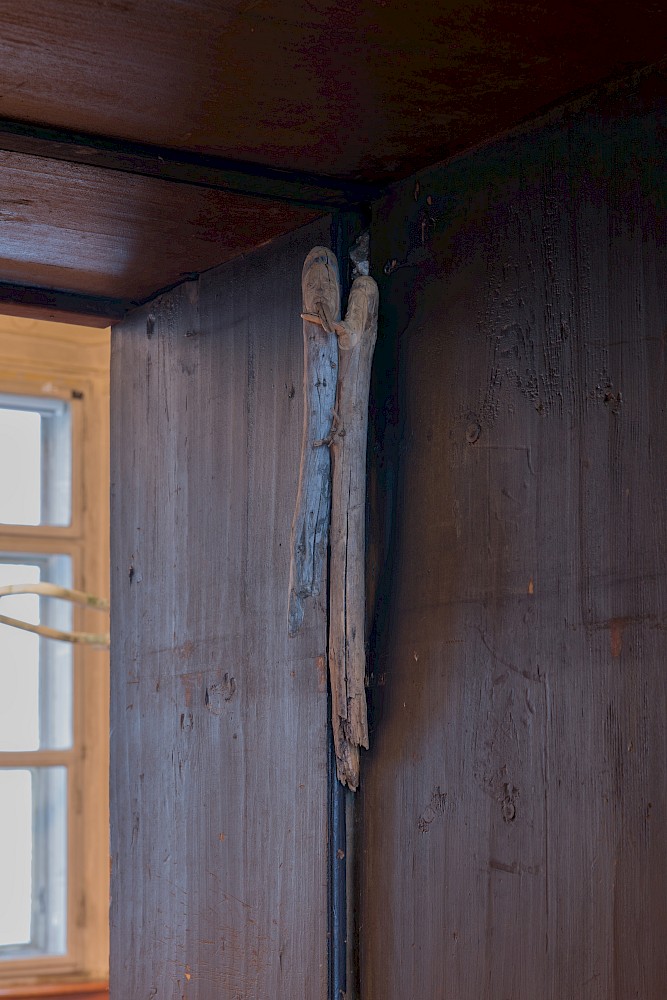
Birke Gorm, IOU
Wood, dimensions variable, 2017—ongoing
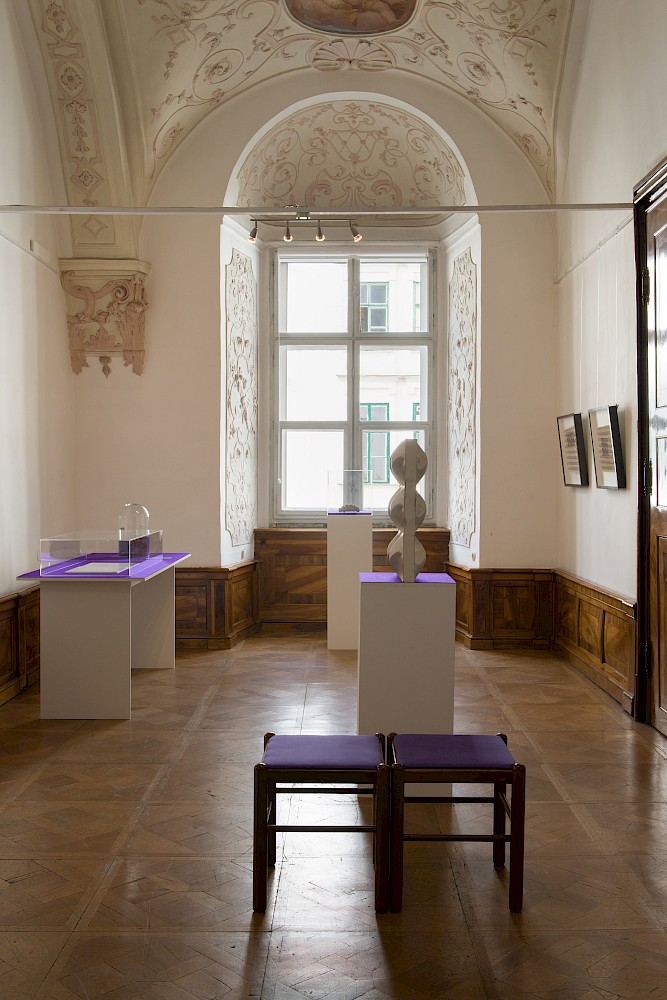
Exhibition view
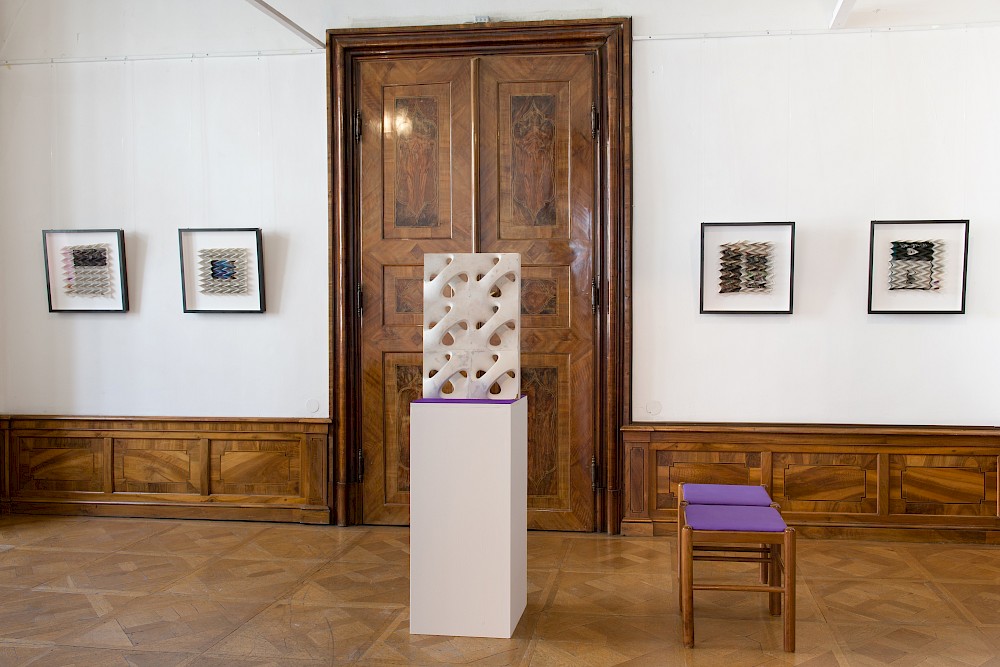
Erwin Hauer, Design #1, composite, 61 x 40 x 16 cm, 1952
Peter Sandbichler, diverse Newspaper folded, newspaper,
Iron, museum glass, 52 x 52 x 5.5 cm, 2018
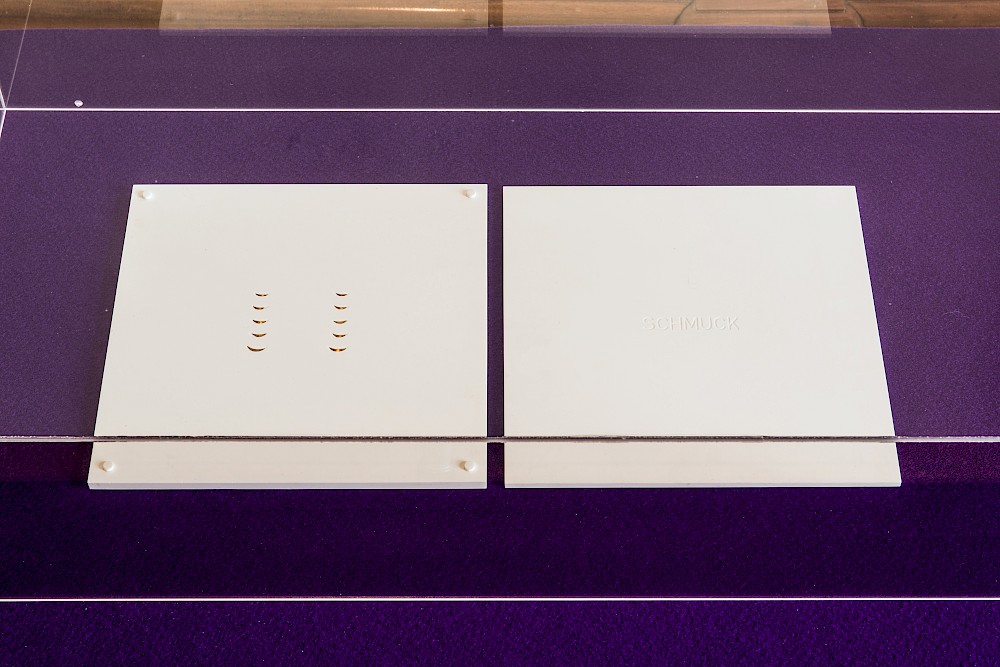
Gerd Rothmann, Work no. 278. Gold under my fingernails
Gold 750, ten pieces, jewellery box
acrylic glass
300 x 300 x 20 mm, 1983
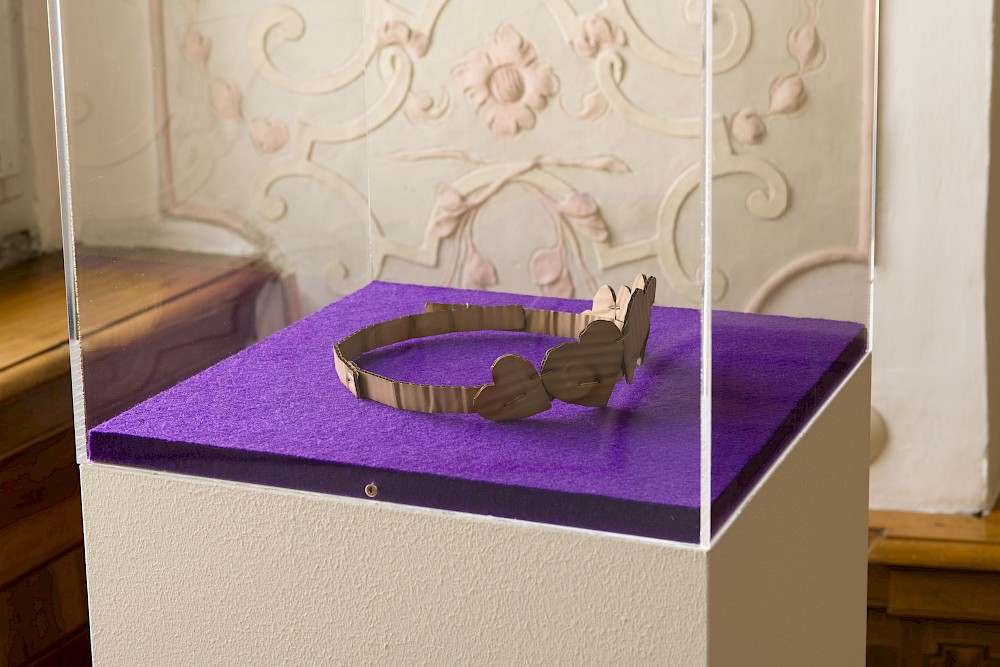
David Bielander, Diadem (heart tiara)
Silver patinated, white gold staples,
ca. 19 x 17 x 8 cm, 2015
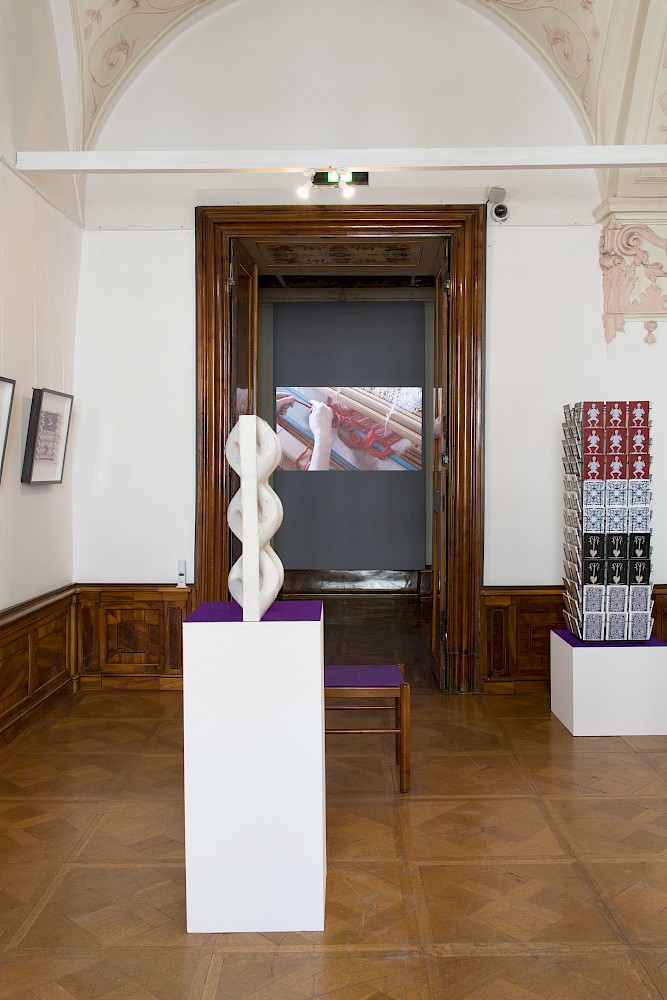
Exhibition view
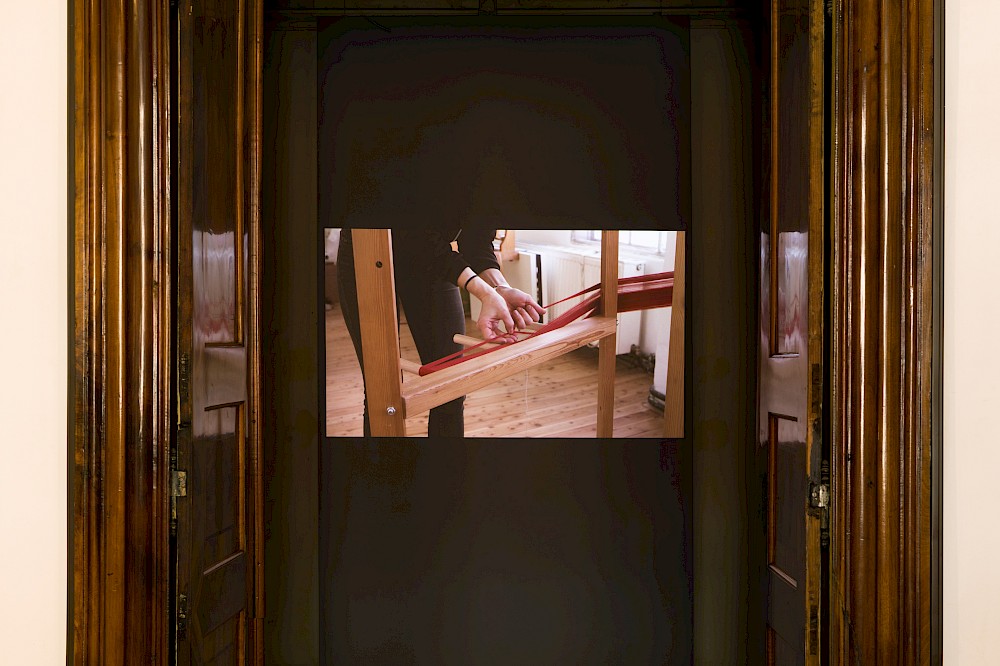
Stefan Lux, Textile & Wood video 4k, 16:9, 17‘ 45“, 2022
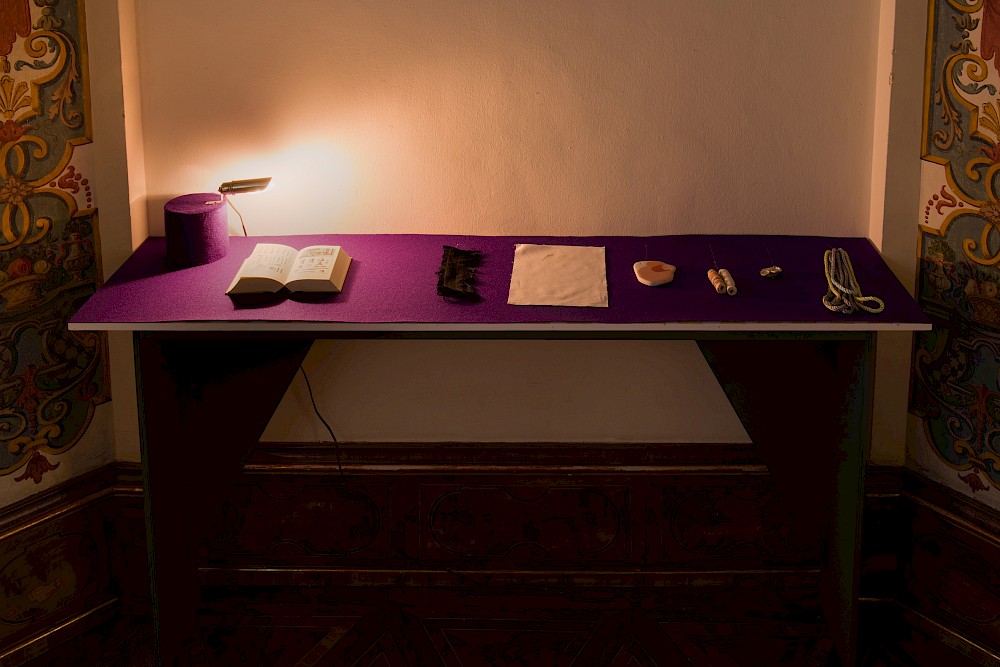
Haptothek
Pride and Prejudice
Art & Craft - A Love Story
Ulrike Johannsen
Prejudice, misunderstanding, class relations and arrogance, and last but not least allconquering
love – these are the threads from which Jane Austen‘s probably most famous
novel Pride and Prejudice is woven. The so-called “novel of manners” describes the social
conventions of a hierarchically ordered society in detailed observation. The trials and
tribulations of Austen‘s novels take their starting point in the conditions of the economic
and gender-specific social order of the 18th century and develop their narrative plot lines
from there.
There are numerous analogies between Austen‘s novels and the often unspoken
conventions and judgements implied in the self-definition and interplay of the fine and
the applied arts. Developed in theRenaissance, the notion, that fine art lays claim to a
higher status than craft because of its anchorage in
the intellectual space of the idea, the
‘disegno’, continues to impact our thinking today. However, transgressing these divisions
handed down over centuries – the cross-genre – produces highly inspiring and advanced
works in the field of art. The rediscovery of fiber art in recent years and the conspicuous
presence of ceramics in the visual arts currently are symptomatic of the newly awakened
interest in the relationship between fine arts and applied arts. What is striking in this
context, however, is that applied artists who distinguish themselves with cross-genre
works receive little attention outside their sphere.
The boundaries between the genres are fluid. For a long time, craft genres used to be
stigmatised and devalued, solely because of their body-relatedness or because of a
certain materiality: if someone worked with ceramics or textiles, the judgment was
already made. This kind of classification is obsolete today. But which terms are suitable to
define the fields in more detail? The term „aboutness“ coined by the American philosopher
Arthur C. Danto could be useful, even if insufficient. In his aesthetics, Danto was concerned
with, among other things, what makes an object a work of art. He used Andy Warhol‘s
Brillo Boxes as an example to illustrate why the boxes in the supermarket are not art, but
Warhol‘s boxes are indeed art, because they are „about something“.¹ On closer examination, the hierarchies between fine arts and applied arts depend in
turn on other hierarchies. Here, too, it is a matter of division of intellectual and manual
work. In many areas, manual labour is still denied intellectuality and thus considered less
valuable, a notion that is strongly tied to gender and social norms. The hierarchy between
feminine- and masculine-connoted work has not been abolished to this day, and crafts of
the feminine sphere, such as knitting or embroidery, are still held in lower esteem than
those of the masculine sphere. This devaluation is ultimately also based on a primary
gender-specific hierarchy, seeing that women were long considered to be insufficiently
thinking, purely reproducing beings. Hierarchies of the senses may also have contributed
somewhat to this division of high and low art. During the 18th century, the sense of sight
was upgraded and the sense of touch degraded; for example, works of art that could still
be experienced by touch in early museums could now only be „grasped“ visually.² The exhibition Pride and Prejudice at Heiligenkreuzerhof is conceived as a poetic narrative
that places works of fineart on equal footing with those of the applied arts in order to
explore the interstices of the disciplines. Emphasis is placed on techniques of the applied
arts: goldsmithing, belting, ceramics, glassblowing, weaving, tapestry, embroidery,
woodturning, silhouette cutting, stucco art, and decorative painting.
The exhibition brings together numerous border crossers who work at the intersection of
the disciplines by unreservedly exploring materialities, exhausting the limits of techniques,
reflecting on their attributions, or thinking about ornament and decoration.
The underlying questions are manifold: What role does the thinking hand play in a largely
disembodied, digitised world? Which innovative power and knowledge gain lie in
craftsmanship today? What potential do artists find in old craft techniques that have
been overtaken by industry, such as stucco art, embroidery, or hair braiding? Currently, there is a new urgency at universities to study craft techniques. Students want
to take advantage of the workshop facilities to an extent that often exceeds the resources
available. One can only speculate about the reasons for this development: Gender boundaries
in the process of dissolving and associated debates have helped making feminine connoted
crafts attractive again. Enthusiasm for the digital world has waned and the
associated „loss of body“ lets us to recall „the intelligence of the hand“³ . The ecological
crisis is also challenging the production-focused art world, and sustainability is becomes
a concern there as well. The irretrievable loss of many craft techniques and professions is
slowly entering our consciousness and perceived as painful, culturally and collectively.
Consequently, the exhibition also considers itself a plea for the expansion of workshops at
art universities and a reunification of design and execution. At the University of Applied
Arts in Vienna, for example, the retirement of Carl Auböck (metal) and Isolde Maria Joham
(glass art) in the 1990s lead to a complete closure of the arts and crafts classes, and the
ceramics department was reduced to a workshop without professorship following the
departure of Maria Biljan-Bilger and Otto Lorenz. With dwindling educational offers,
the discourse about these crafts and their specifics has also suffered in terms of knowledge
and quality in Austria; the active centres for ceramics today can be found in Japan,
Scandinavia, or England, to name a few. The fact that the workshop of Viennese ceramist Lucie Rie is now on permanent display at the Victoria and Albert Museum in London and
that her last exhibition in Vienna was in 1999 can be considered symptomatic.
The exhibition aims not only to showcase the conceptually and technically extraordinary,
but also to deliberately create confusion in order to examine and sharpen our current
concepts. Thus, works of so-called applied art can be read as works of so-called fine art
and vice versa: corrugated cardboard turns out to be precious metal, candy boxes a conceptual
work, supposed knickknacks high art, abstract patterns a photo-realistic representation,
and painting a work of cross-stitch art. Art and craft, fine and applied art – this
century-old love story can now revel in all its beauty in the remarkable baroque setting of
the refectory of Heiligenkreuzerhof, unfold before our sharpened gaze – without pride or
prejudice – and arouse curiosity as to how things will continue with the protagonists of
this love story.