




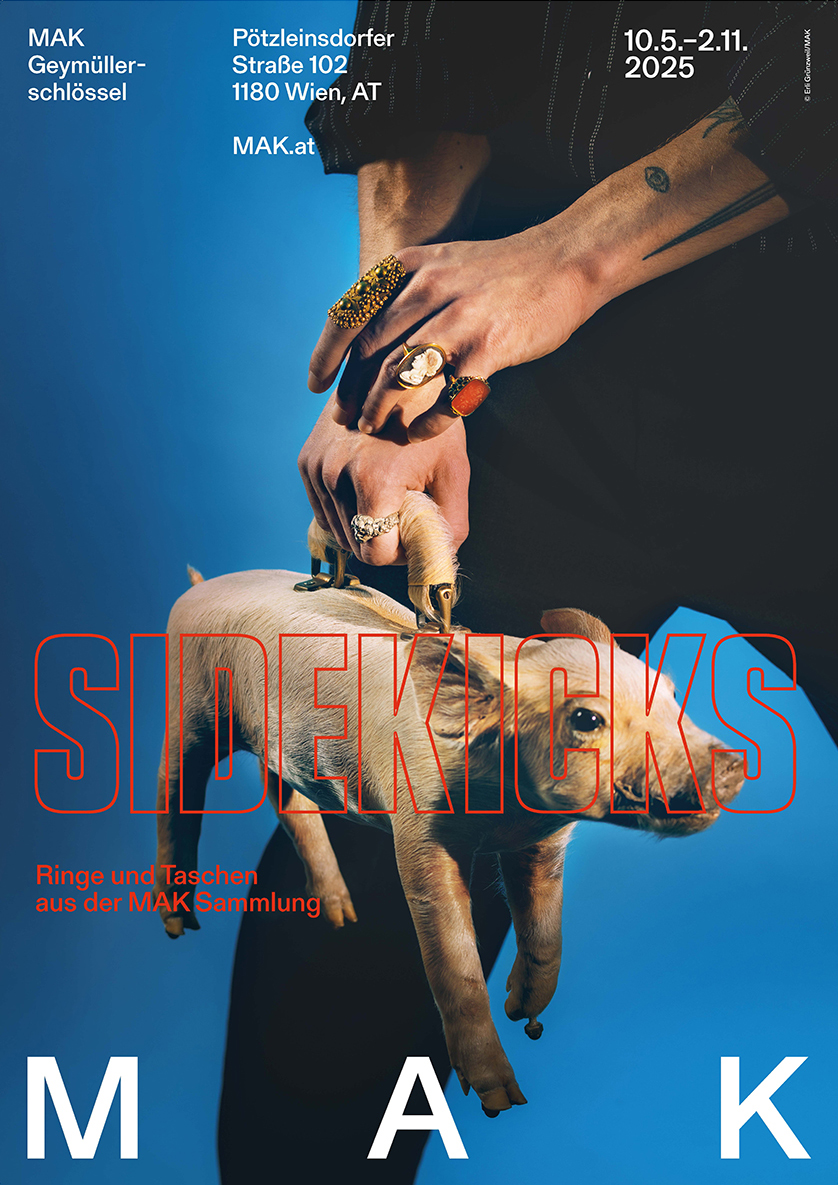
SIDEKICKS
Rings and Bags from the MAK Collection
Guest curator and exhibition design:
Ulrike Johannsen
10.5.2025—2.11.2025
MAK Geymüllerschlössel
www.MAK.SIDEKICKS
MAK curators:
Anne-Katrin Rossberg, Lara Steinhäußer
Photo: Erli Grünzweil
Grafic design: Morten Johannsen
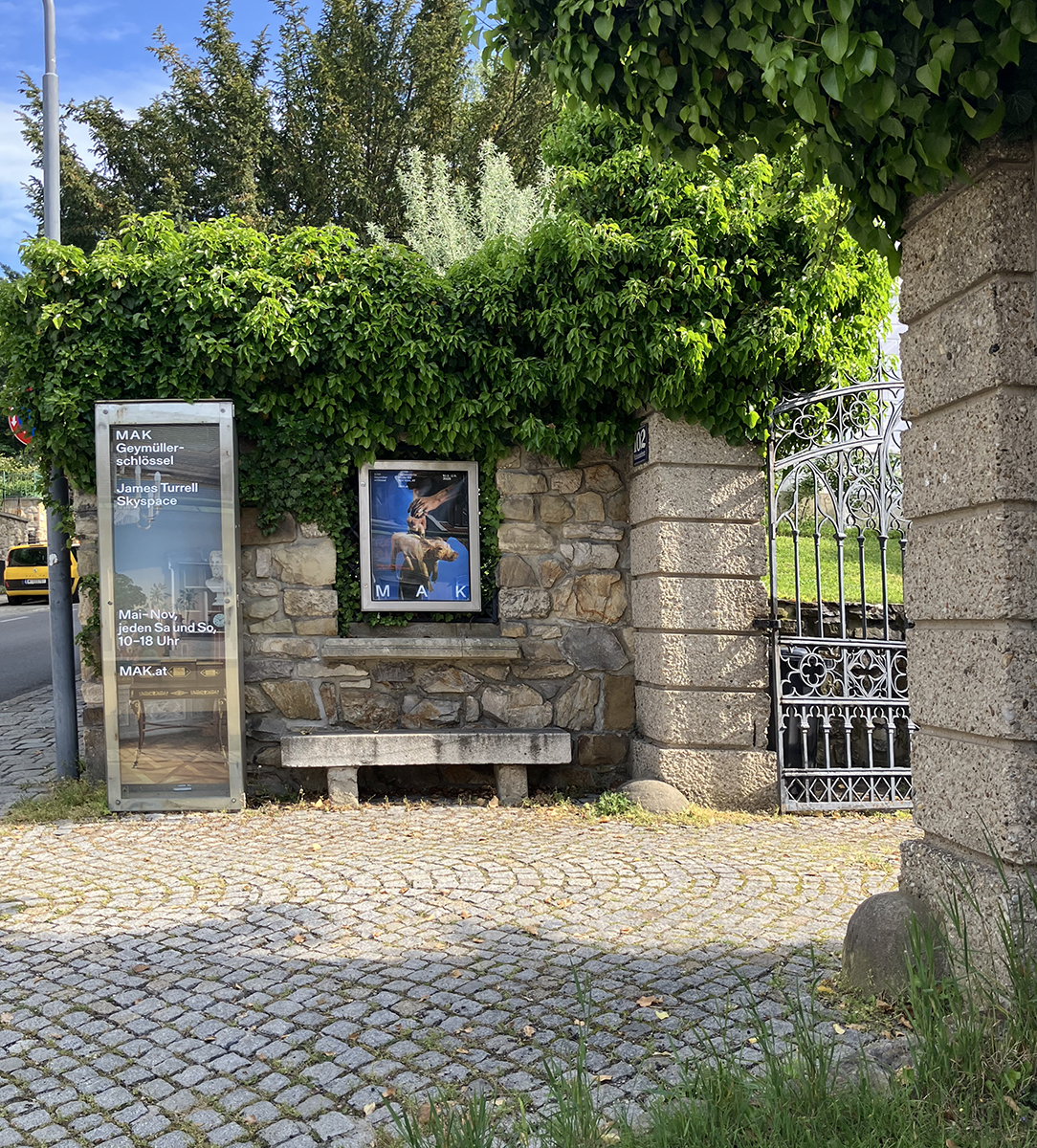
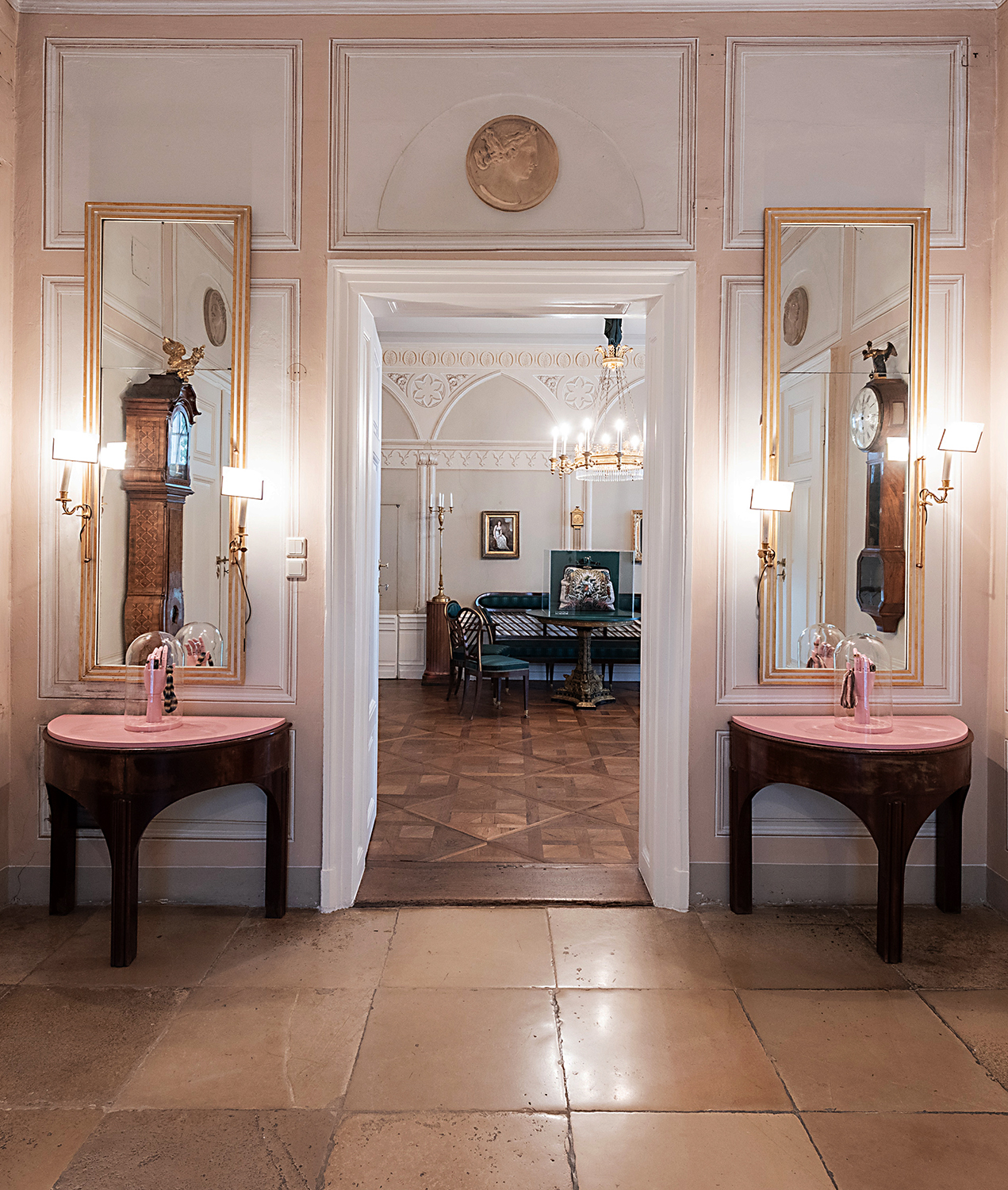
Photo: MAK
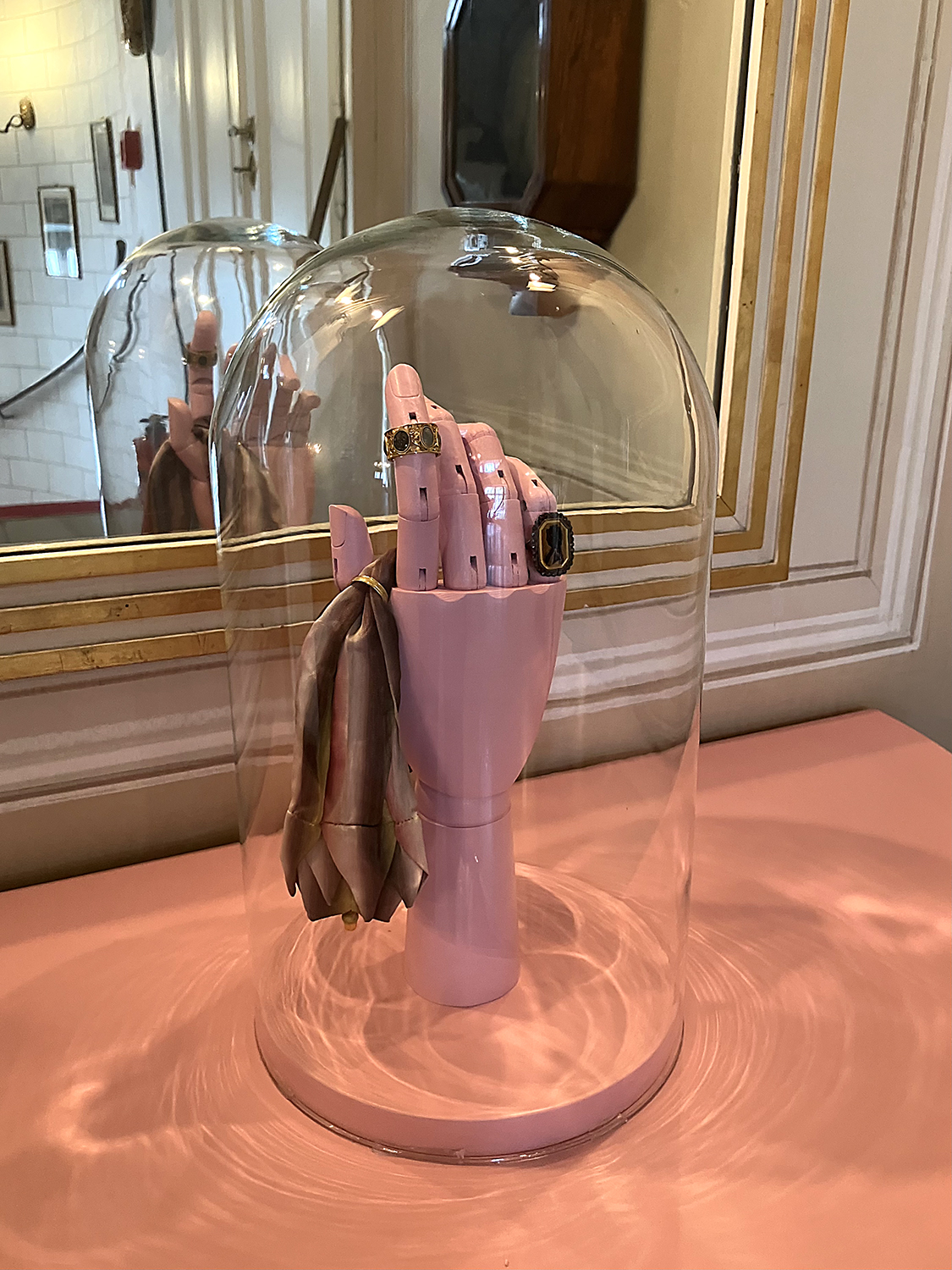
Money pouch with ombré decoration
execution: anonymous, 19th century
Ring with female profile image 1790–1800
Ring with filigree decoration and glass stones
Ca. 1800
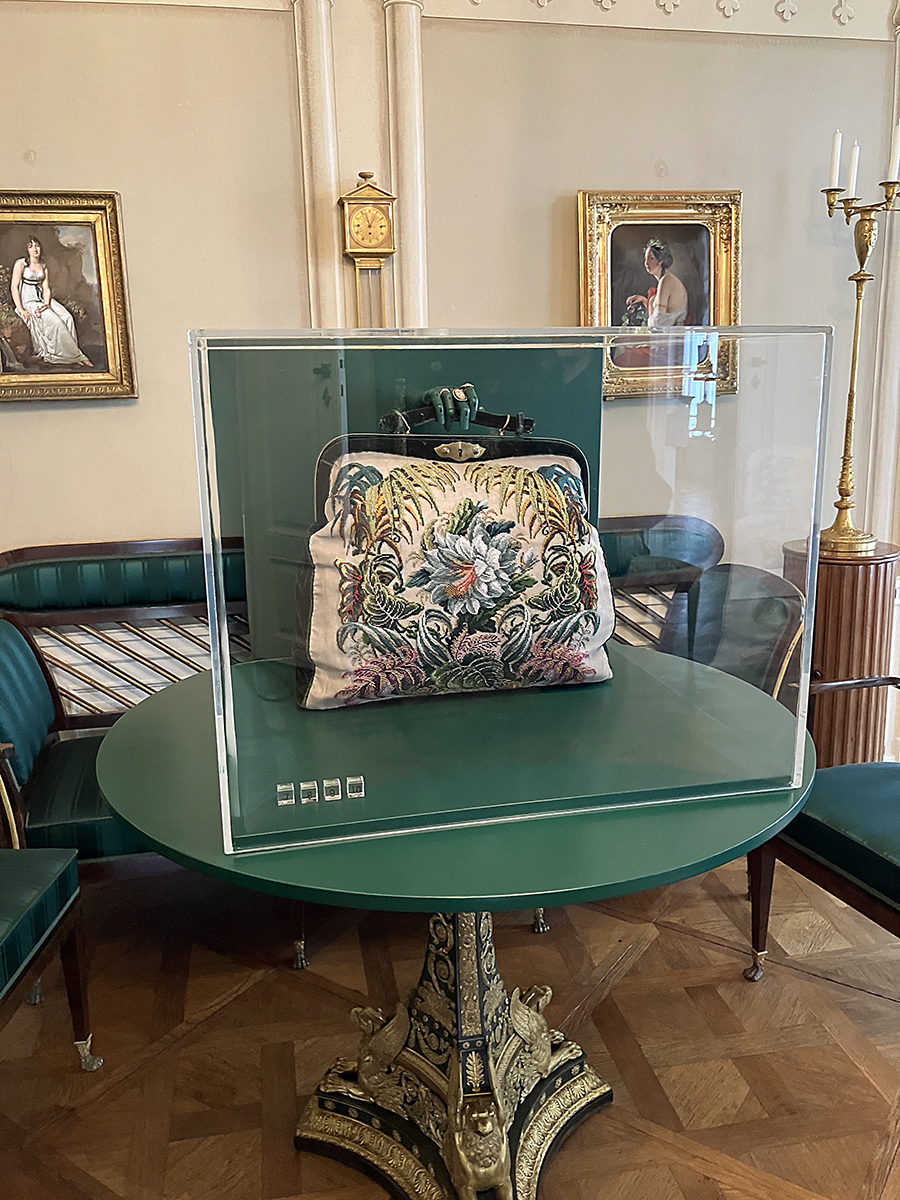
Carpet bag with flower motif
Vienna 19th century
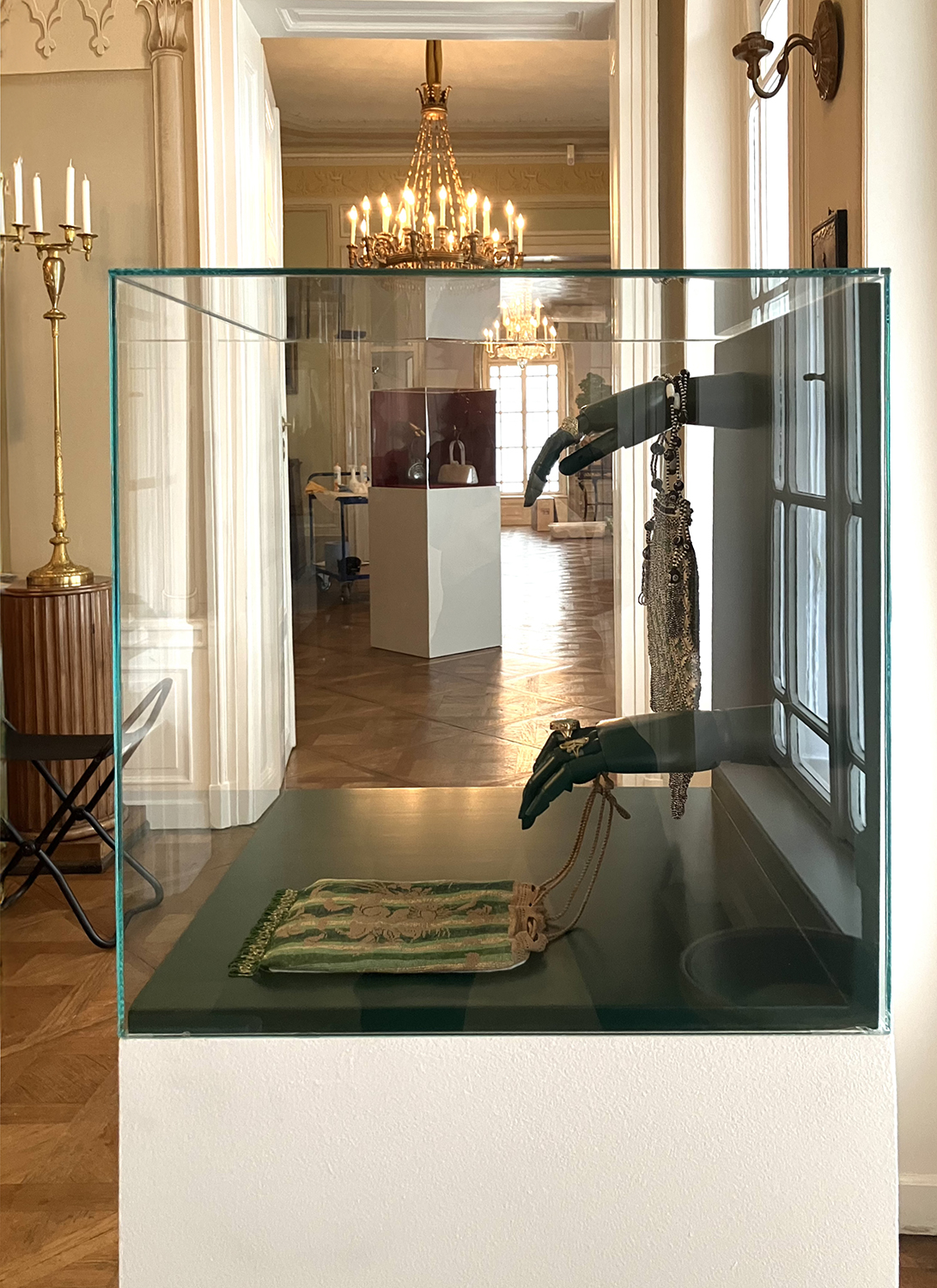
Pouch with stripes and floral decoration
1st half of the 20th century
Rings Dagobert Peche, René Lalique
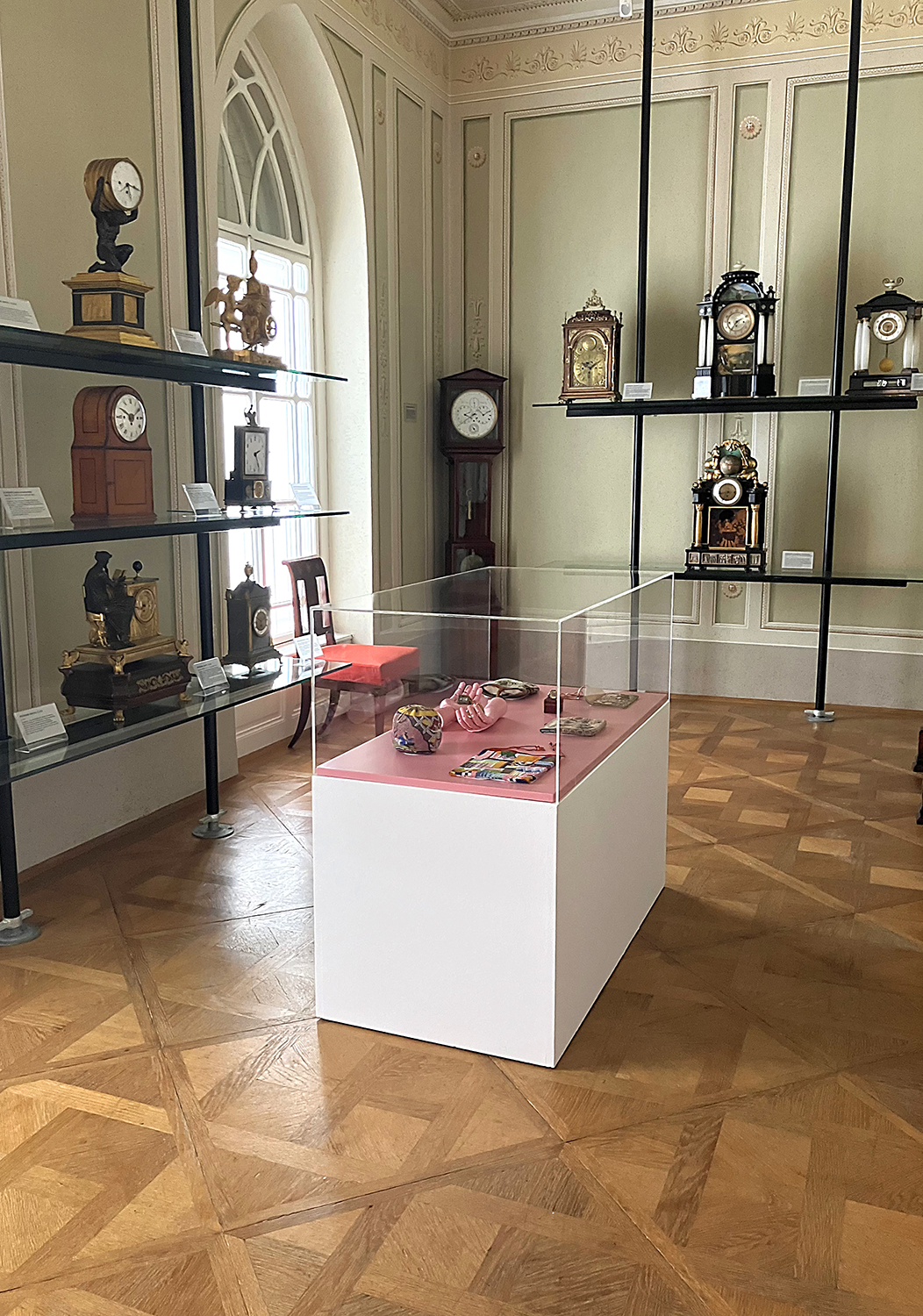
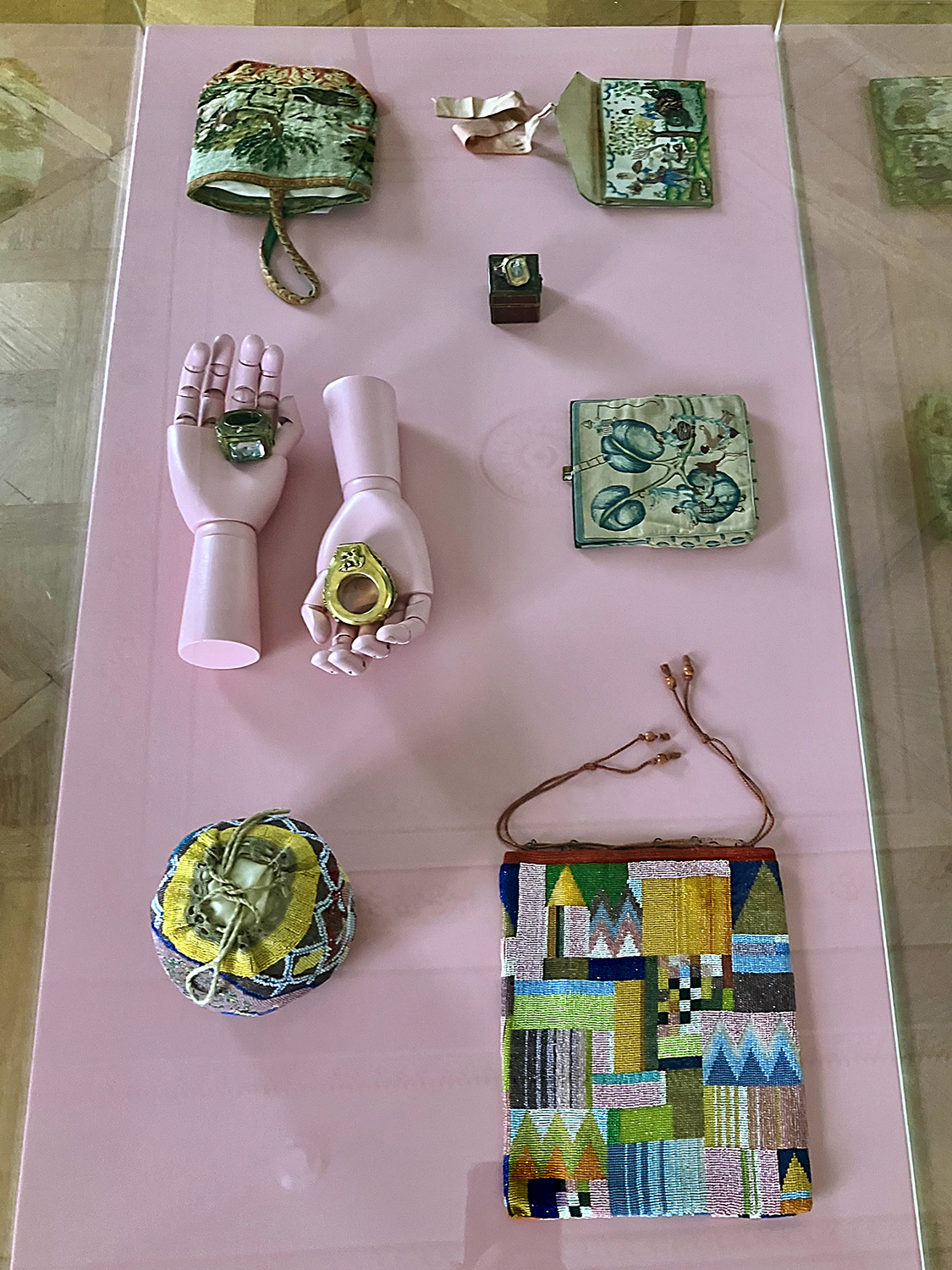
Right: Pouch with colorful geometric pattern
Design: Anton Kling
Execution: Ida-Marie Kling, Vienna, ca. 1930
Left: Pouch with inscriptions Unschuld [Innocence]
and Rache [Revenge]
Design: Fritzi Löw 1916
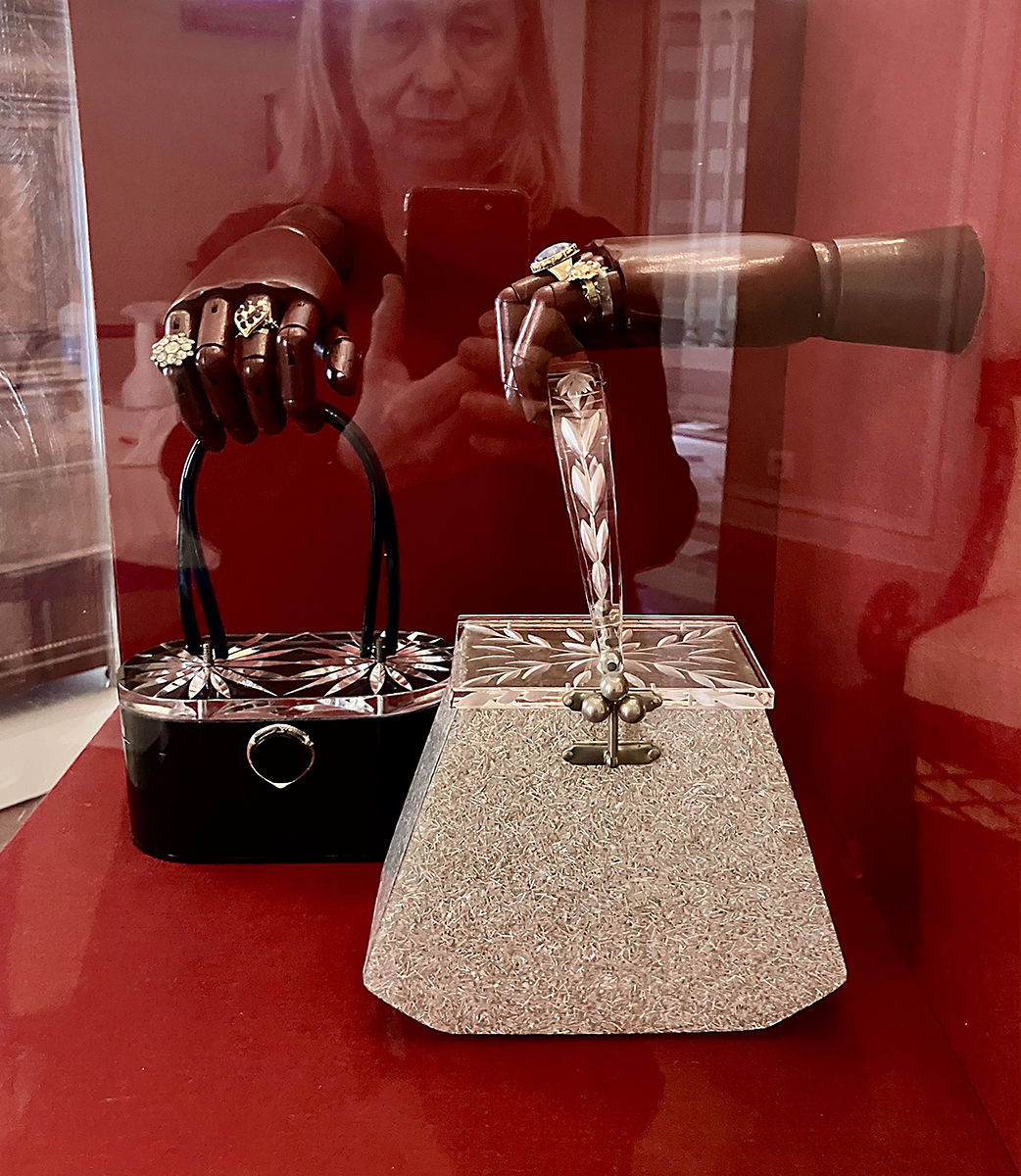
Black plastic bag with transparent lid
Wilardy, USA, mid-20th century
Plastic bag with integrated silver and pearlescent effect
Florida Handbags, USA, mid-20th century
Ring with crystal rosette Italy, 19th century
Ring with garnets Italy, 19th century
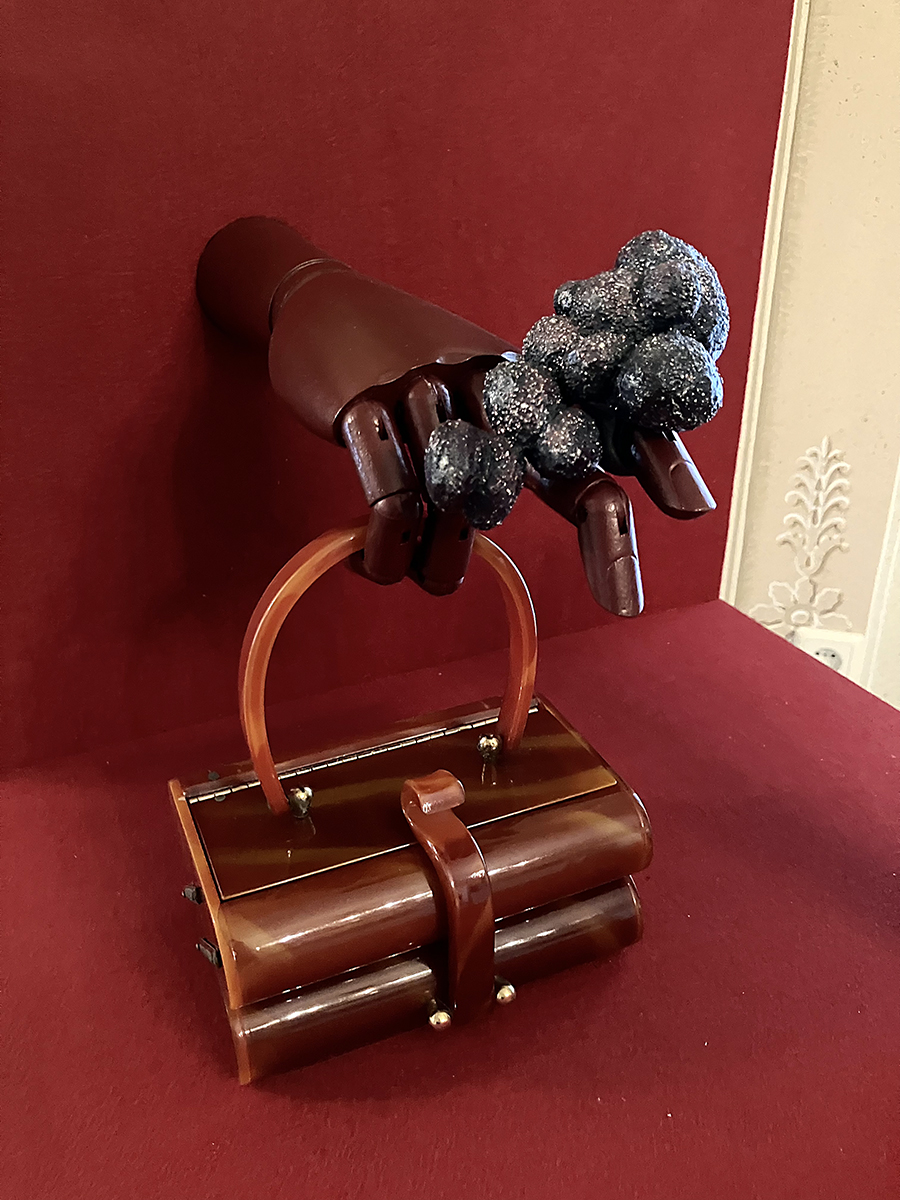
Brown, hinged plastic bag
Wilardy, USA, mid-20th century
Ring Cosmic Existence
from the Nebula series, Michelle Kraemer, 2017
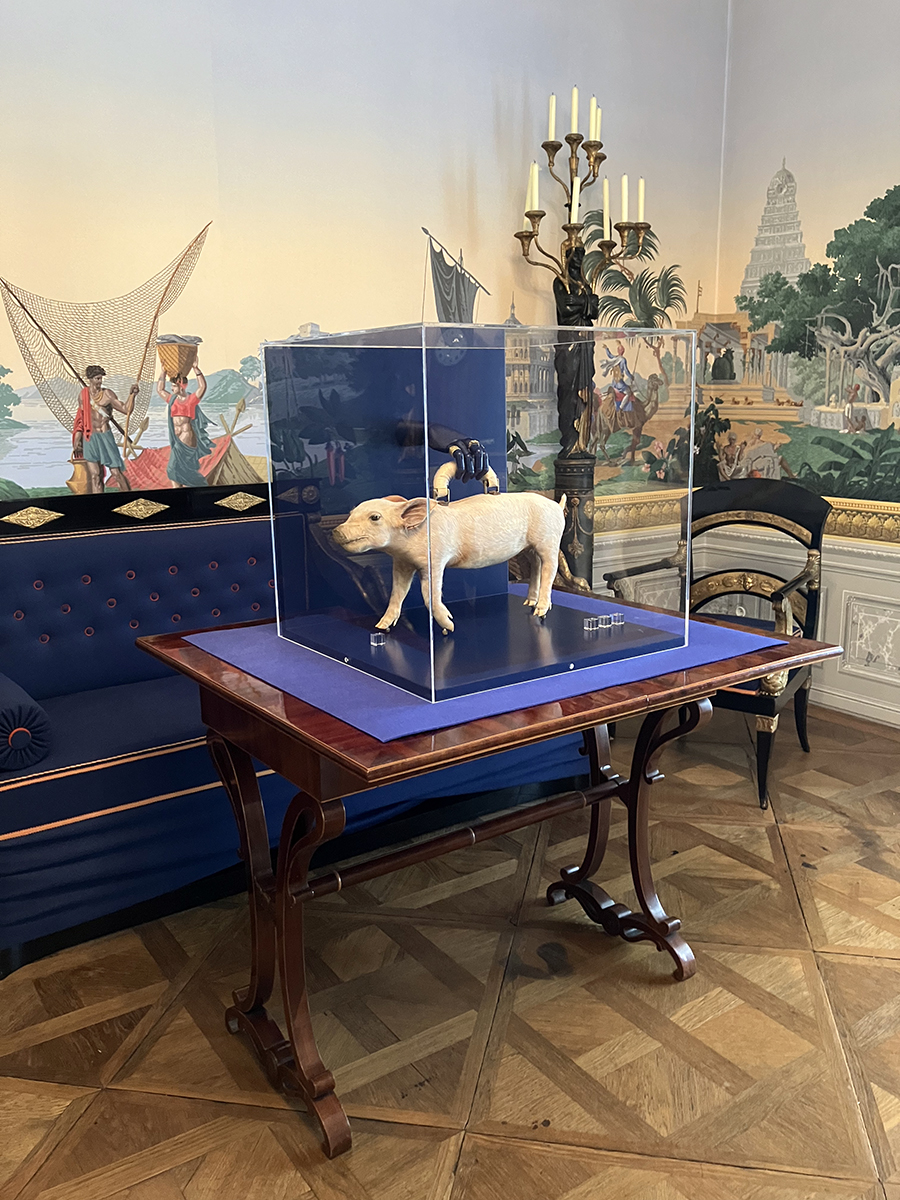
Handbag My best friend
from the A PECULIAR FEMININITY,
FE-MALE,
Fall/Winter 01/02 collection
Carol Christian Poell
Milan (C.C.P. Srl, Milano), 2001
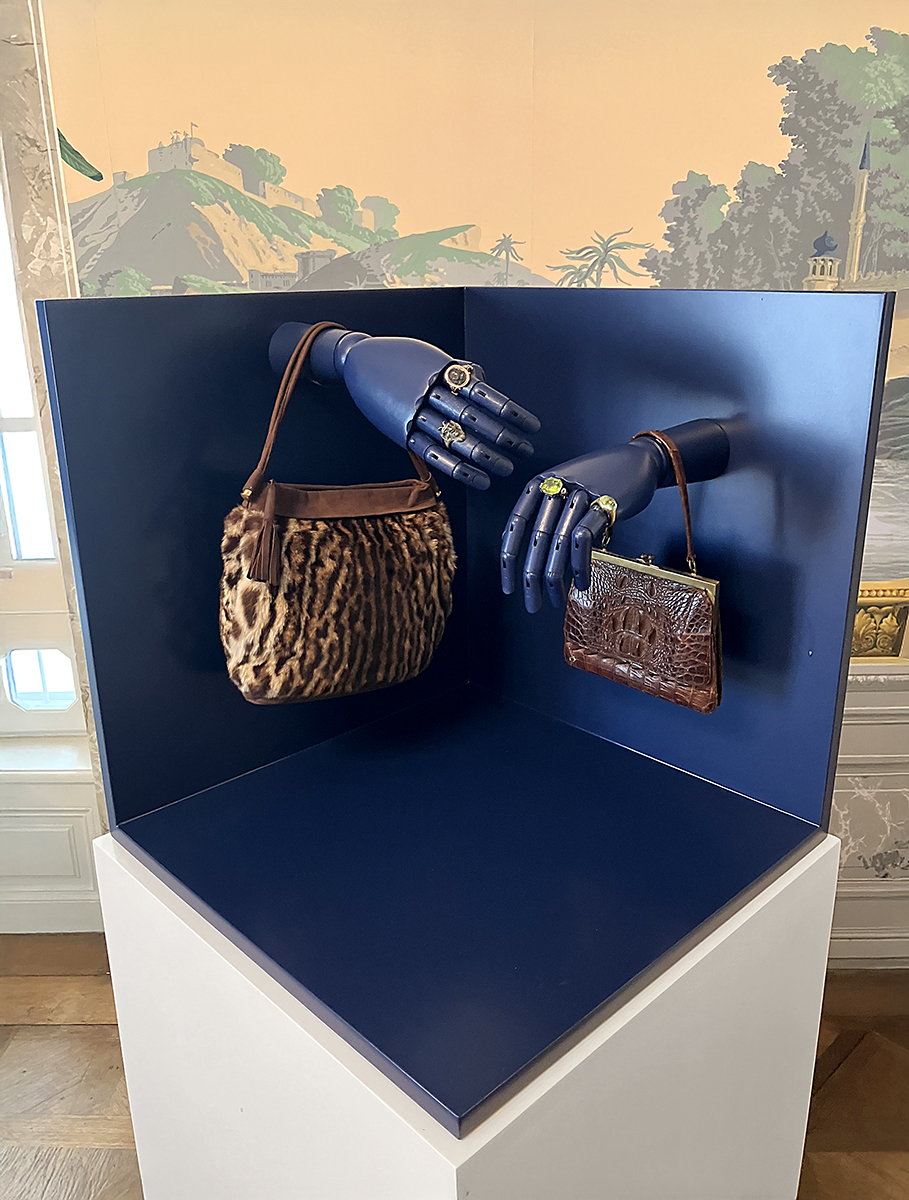
Ladies’ handbag or muff made of ocelot fur
mid-20th century
Handbag made of crocodile leather
Karl Dzialas for the Wiener Werkstätte, 1920s
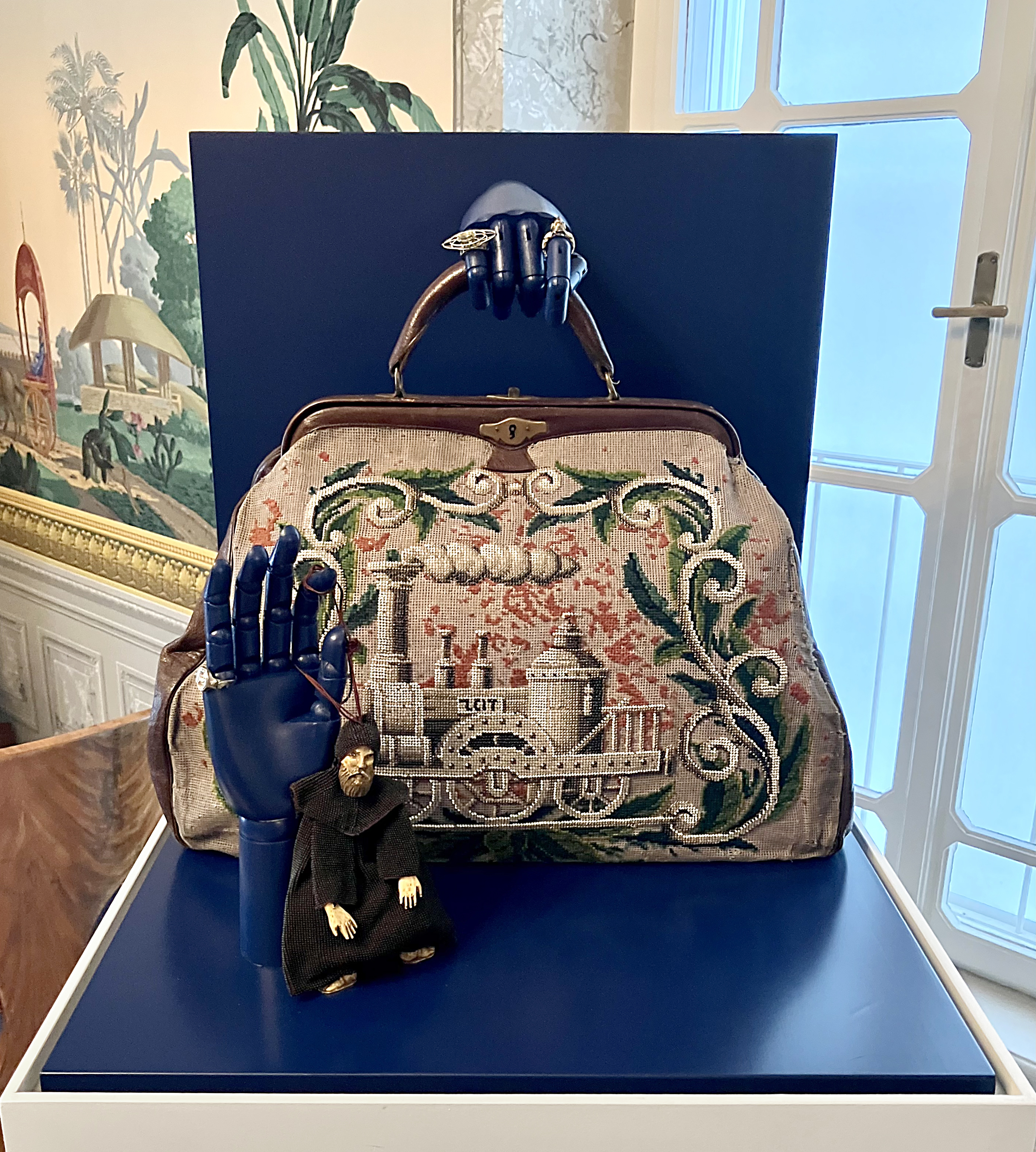
Carpet bag with train motif, mid-19th century
Ring sculpture In Space in a Place 1
Anna Heindl, Vienna, 1997
Ring with pyramid-shaped diamonds ca. 1600
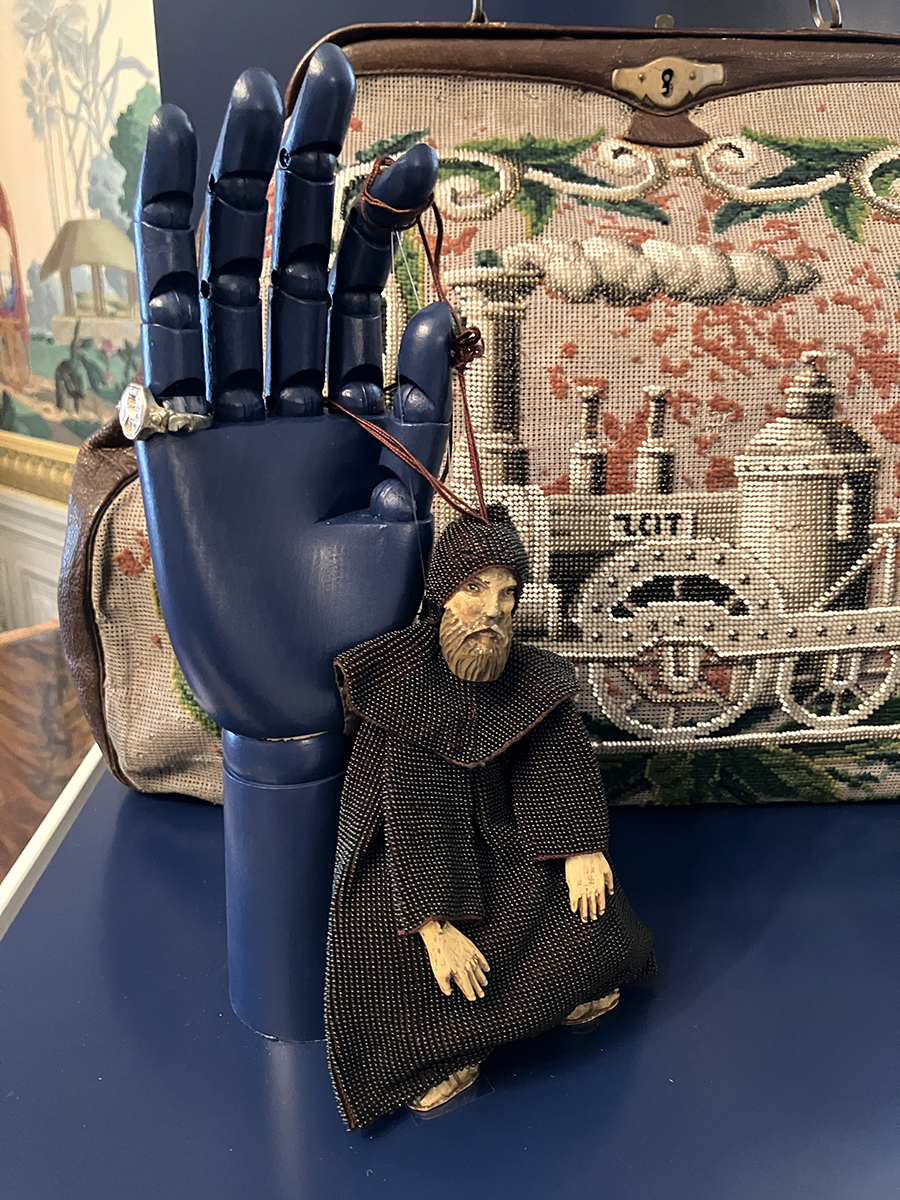
Knit brown tobacco pouch
shaped like a monk
M. Hurtz & Söhne, Vienna, 19th century
Ring with depiction of a saint,
Russia, before 1874
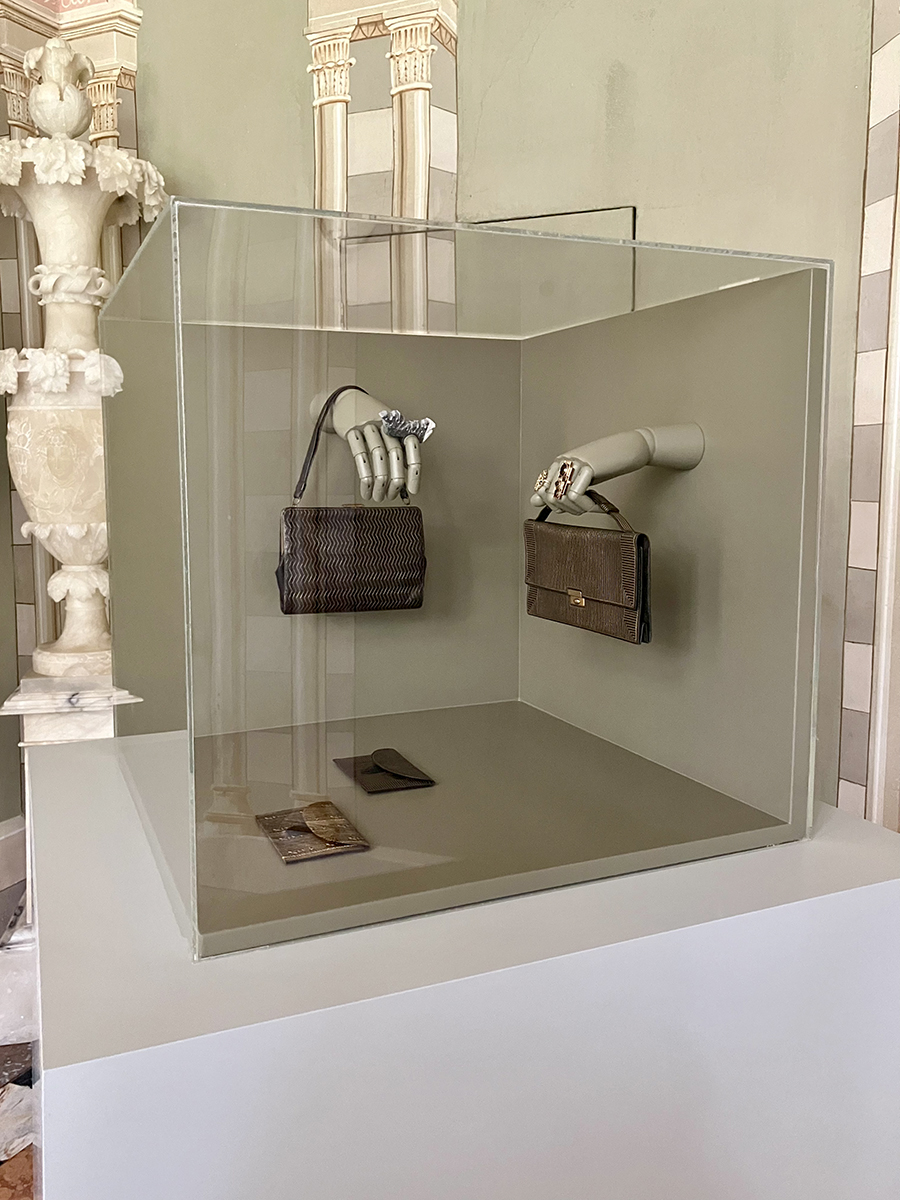
Left: Handbag with golden Blitz Decoration,
Josef Hoffmann, 1910
Ring with acryl stone, Fritz Maierhofer, 2011
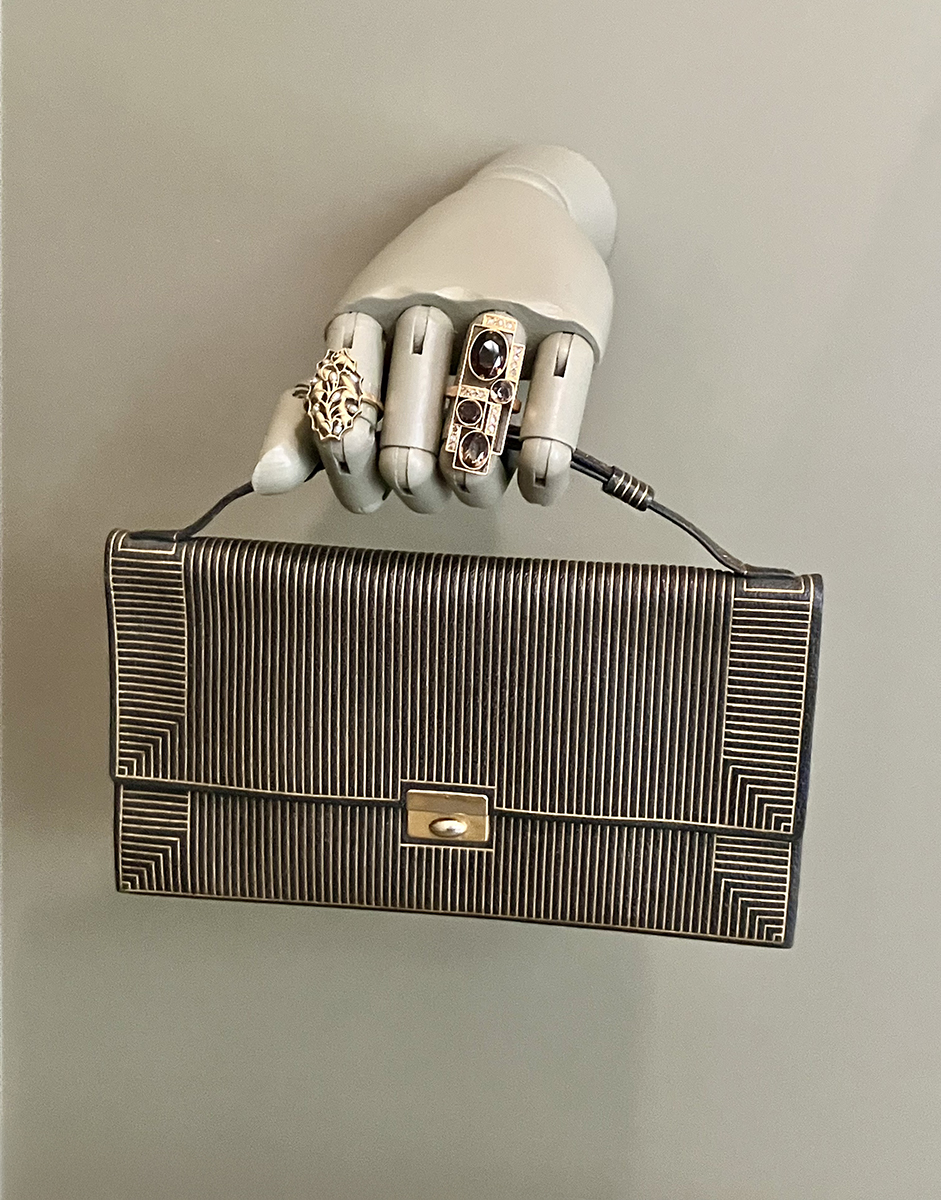
Handbag model no. 4585
Josef Hoffmann, 1910
Ring with leaf and pearl decoration
Josef Hoffmann, ca. 1912
Ring with abstract decoration
Anton Kling, ca. 1915/20
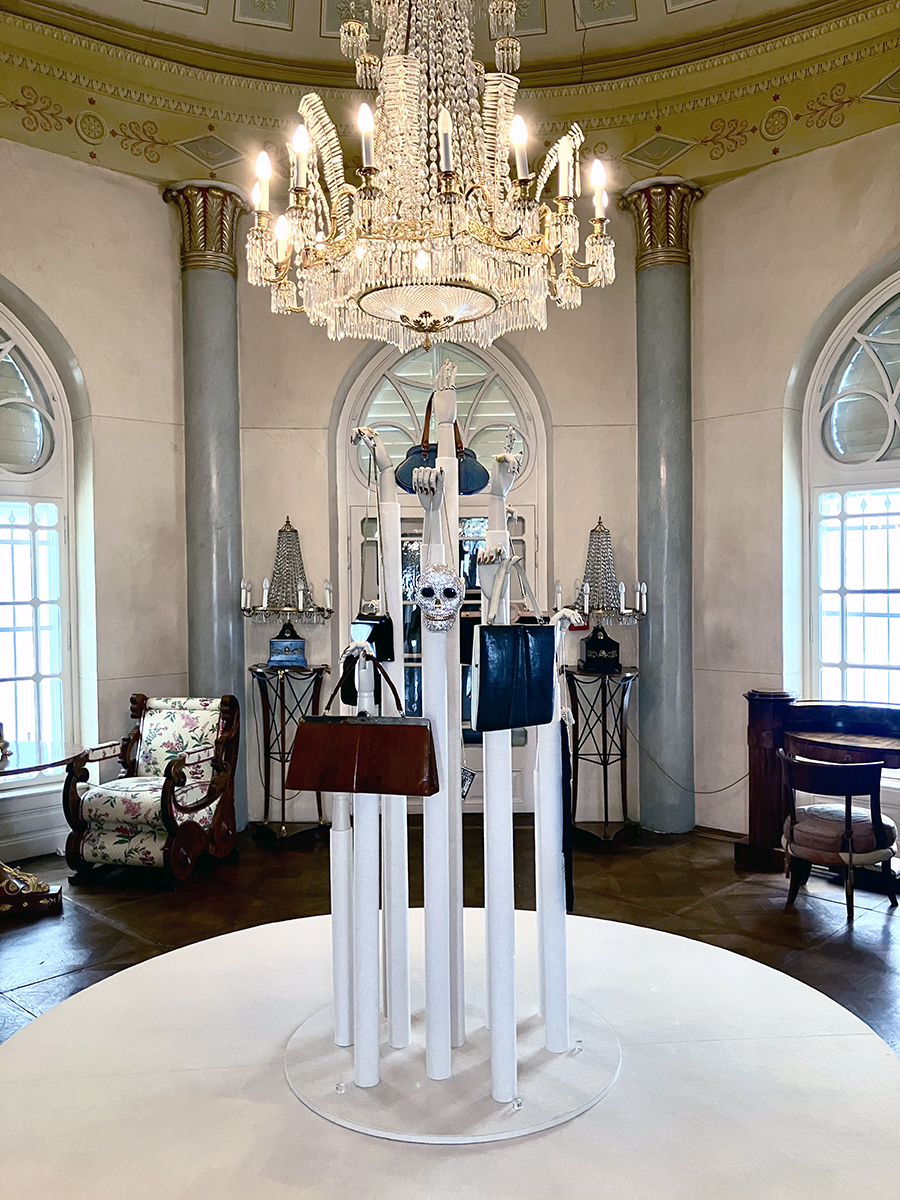
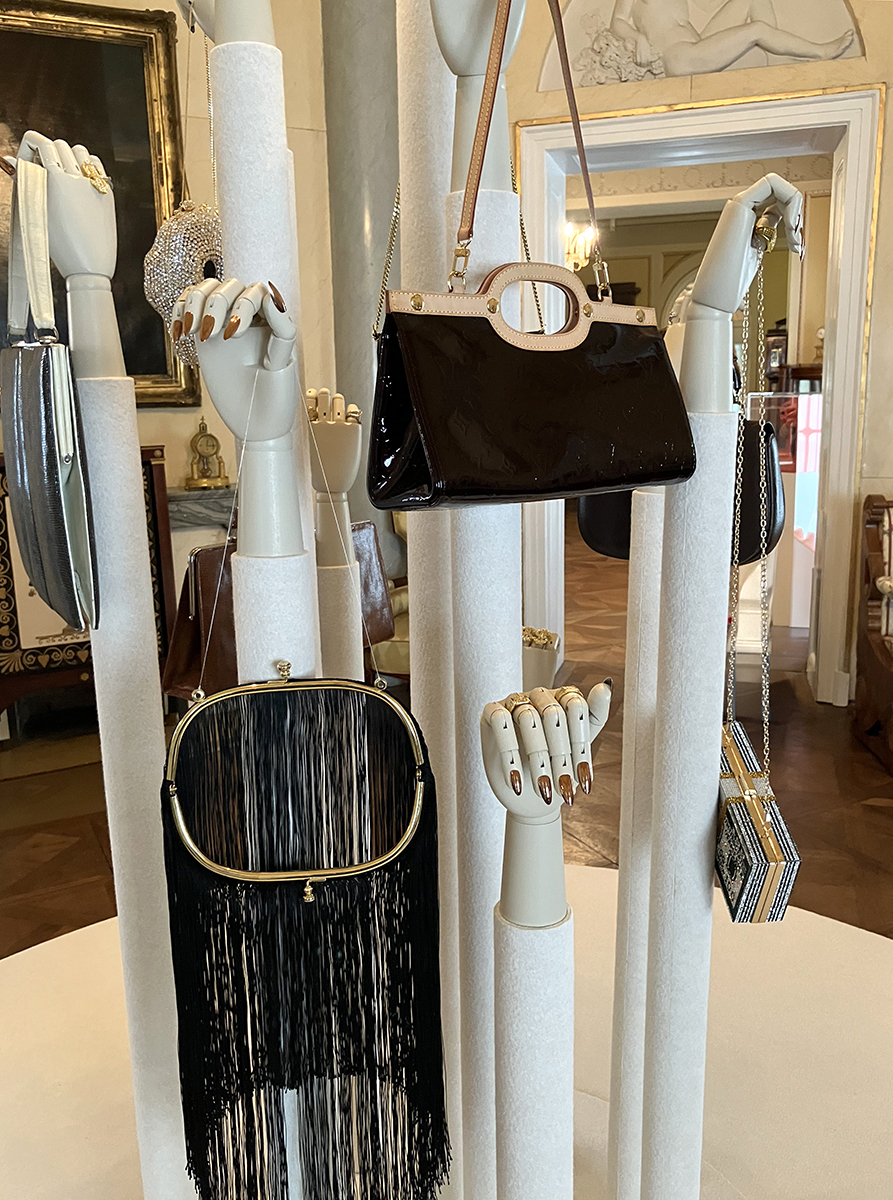
Necklace bagframe, Sonja Bischur,
Vienna, 2010
Handbag Louis Vuitton, Paris, after 2000
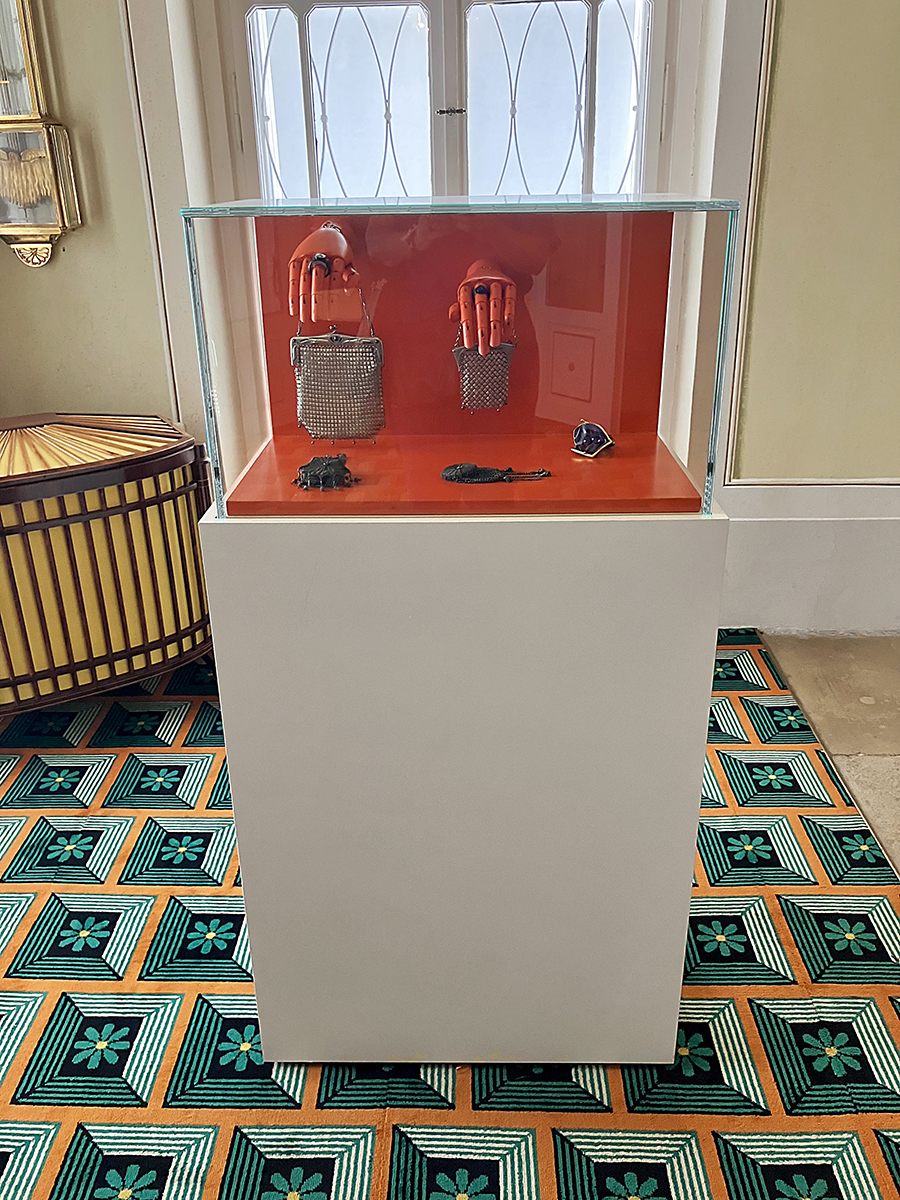
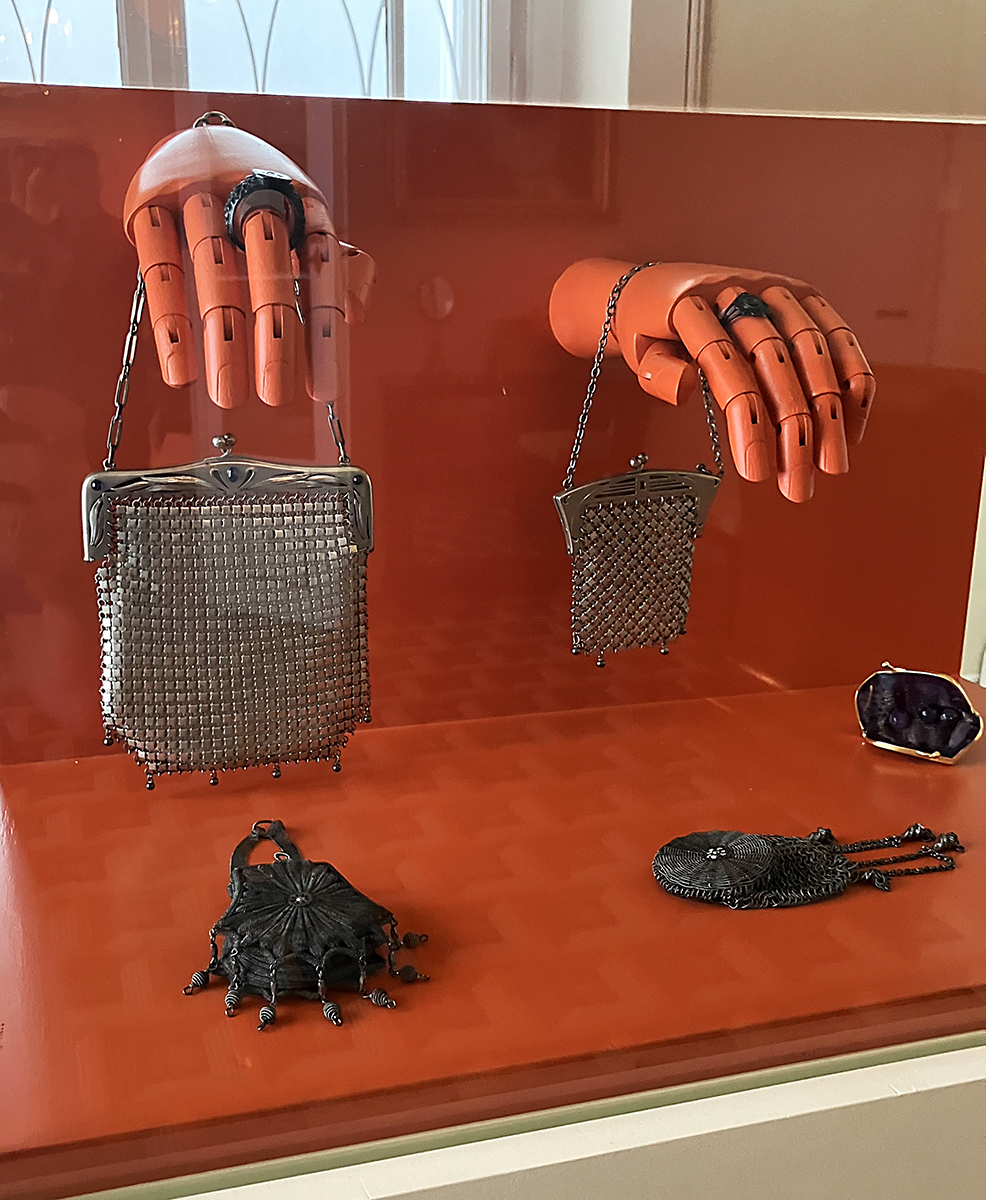
Two small bags
(prize at a tennis tournament) Germany, 1904
Two small handbags,
Steel wire, Silesia, ca. 1820
Two cast iron rings ca. 1820/30
Ring w/o t.,Petra Zimmermann, 2016
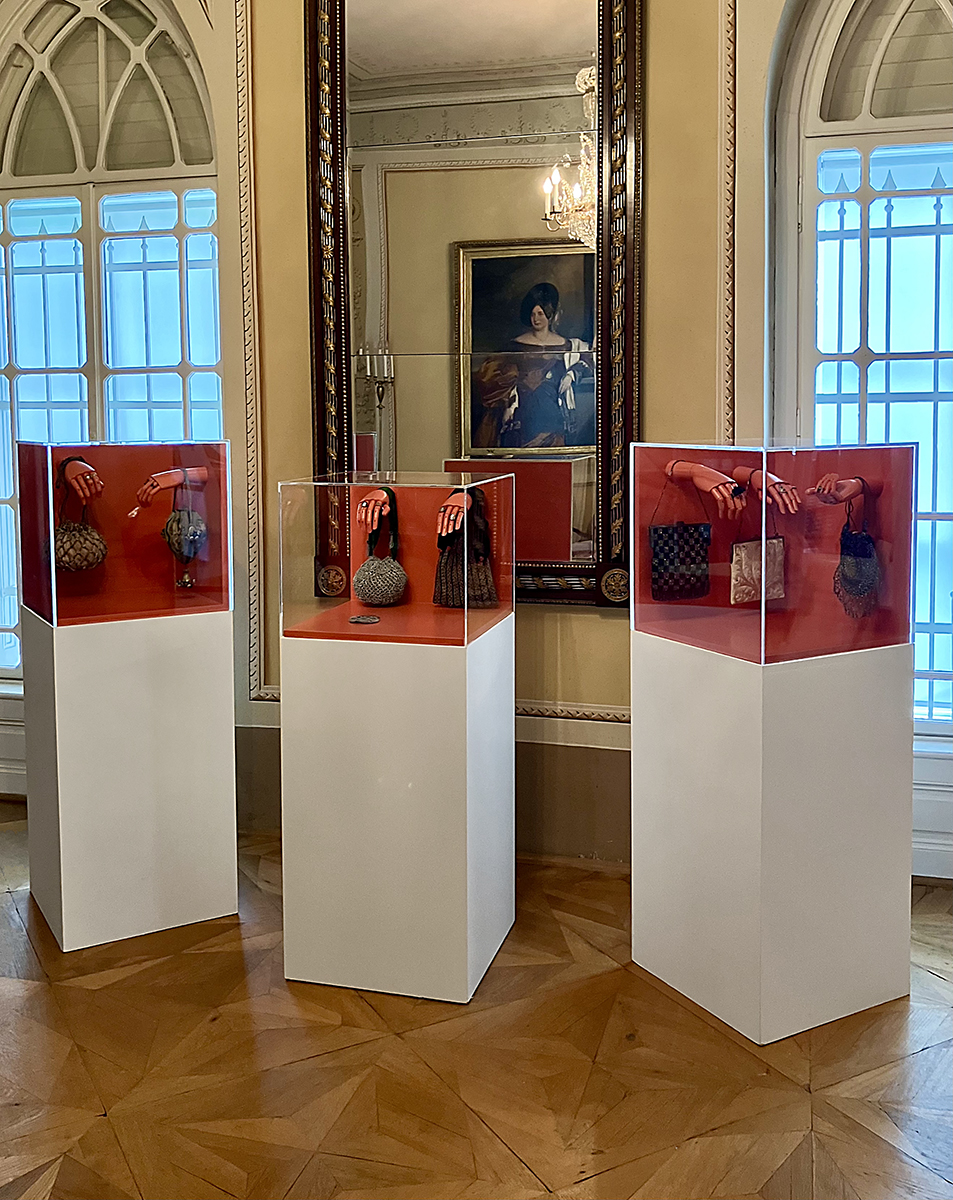
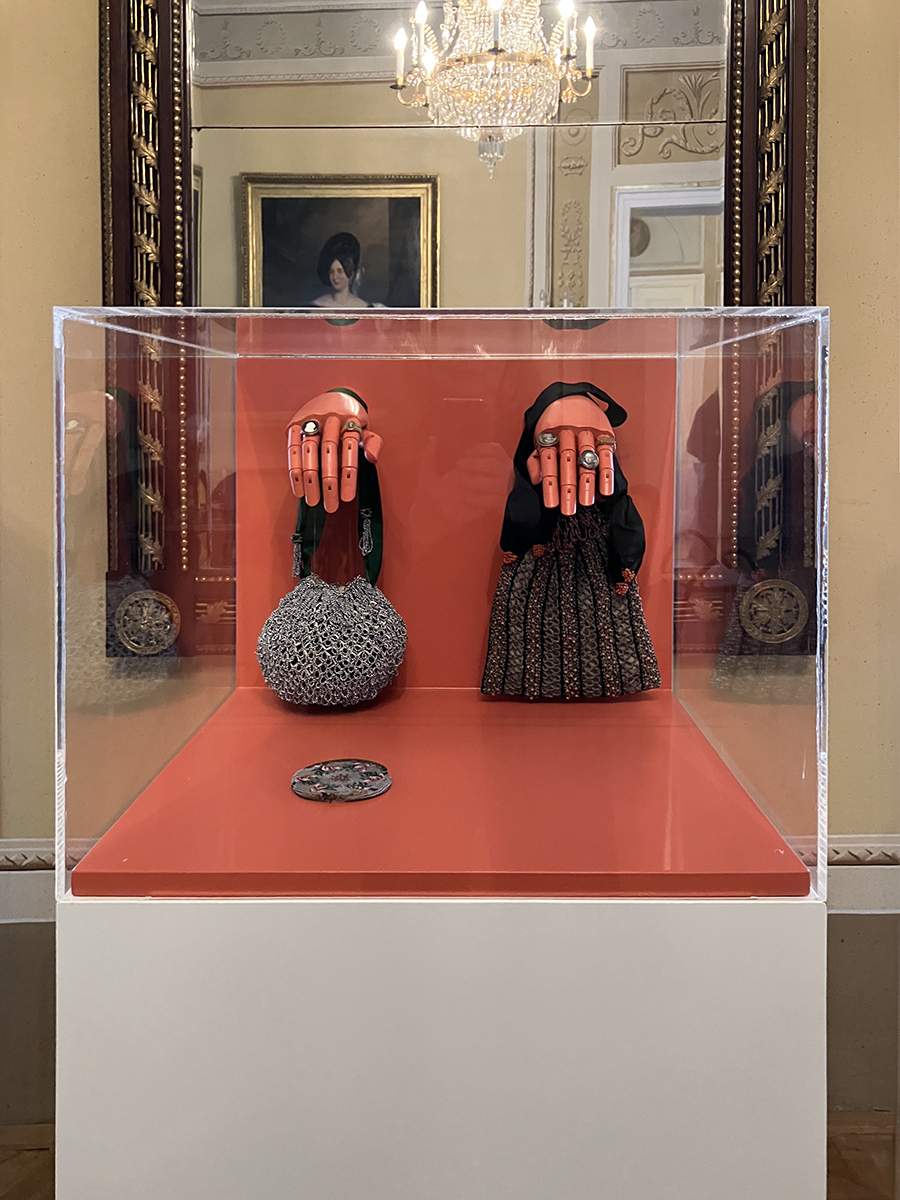
Two pouches, Amalie Szeps, Vienna
ca. 1910
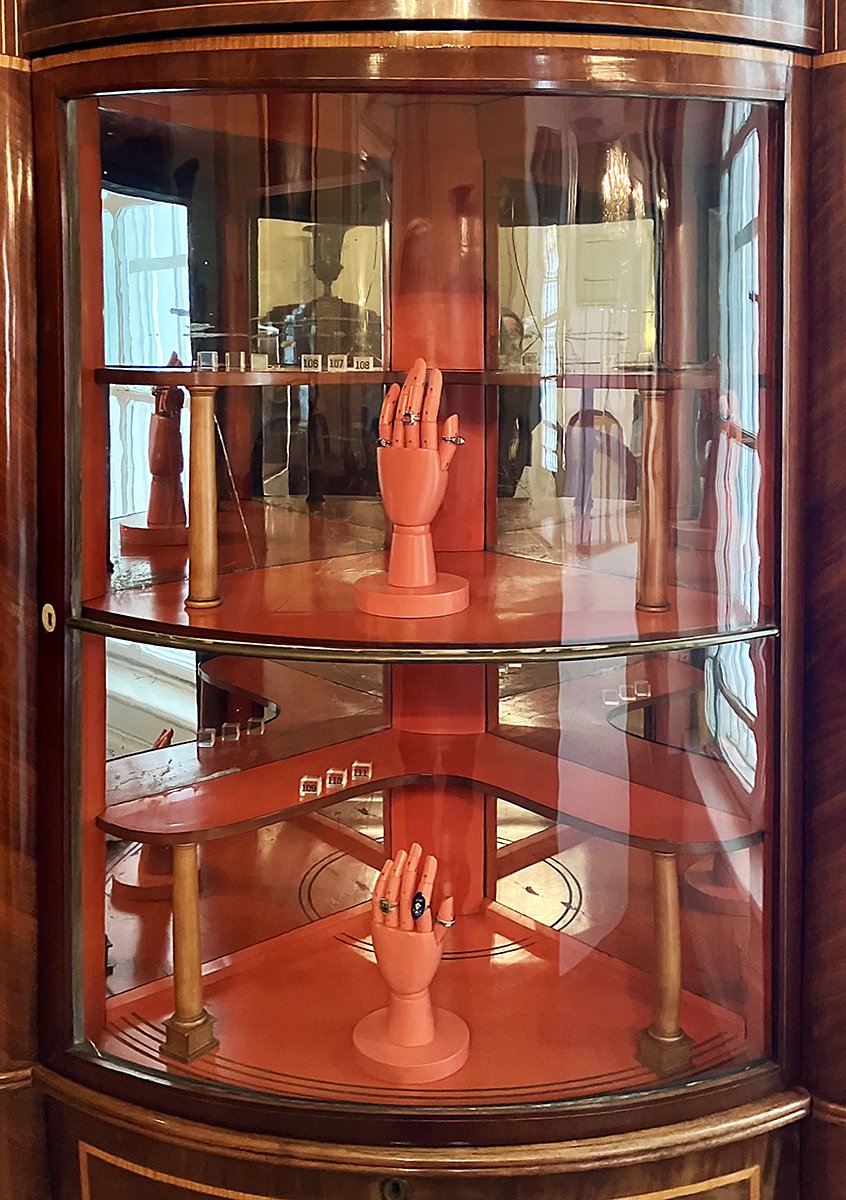
The handbag is a transport container, accessory, design object, and status symbol all at once. Whether as a practical everyday item, a personal style statement, or even, nowadays, an investment, the handbag is an object of desire.
For centuries, the handbag has played the role of a close companion, intended for storing and carrying personal items, it has itself become a personal item. Its function, design, and craftsmanship tell stories through the centuries: stories of fashions and social conditions, of craftsmanship and production conditions, of needs and desires.
The original form of the handbag, the pouch, developed alongside fashion trends. Initially worn on the outside, it later became concealed as a garment pocket in wide trousers and skirts, only to be worn on the outside again
with slimmer silhouettes. In the 18th century, antique models and straight-cut, wafer-thin dresses became popular. The handbag now became an indispensable accessory. In the Biedermeier period, bag fashion gained momentum with its variety of shapes, colors, and materials. The embroidered travel bag was now a “must” and can be considered the birth of the handbag.
Like the handbag, the finger ring is one of the most personal items a person owns. Whether as a wedding ring or friendship ring, as a symbol of the bond and togetherness of two people, as a signet ring, as a sign of authority and power, or as a mourning ring worn in memory of a loved one. The finger ring is a symbolically charged object, just like the handbag, which is worn directly on the body and completes it.
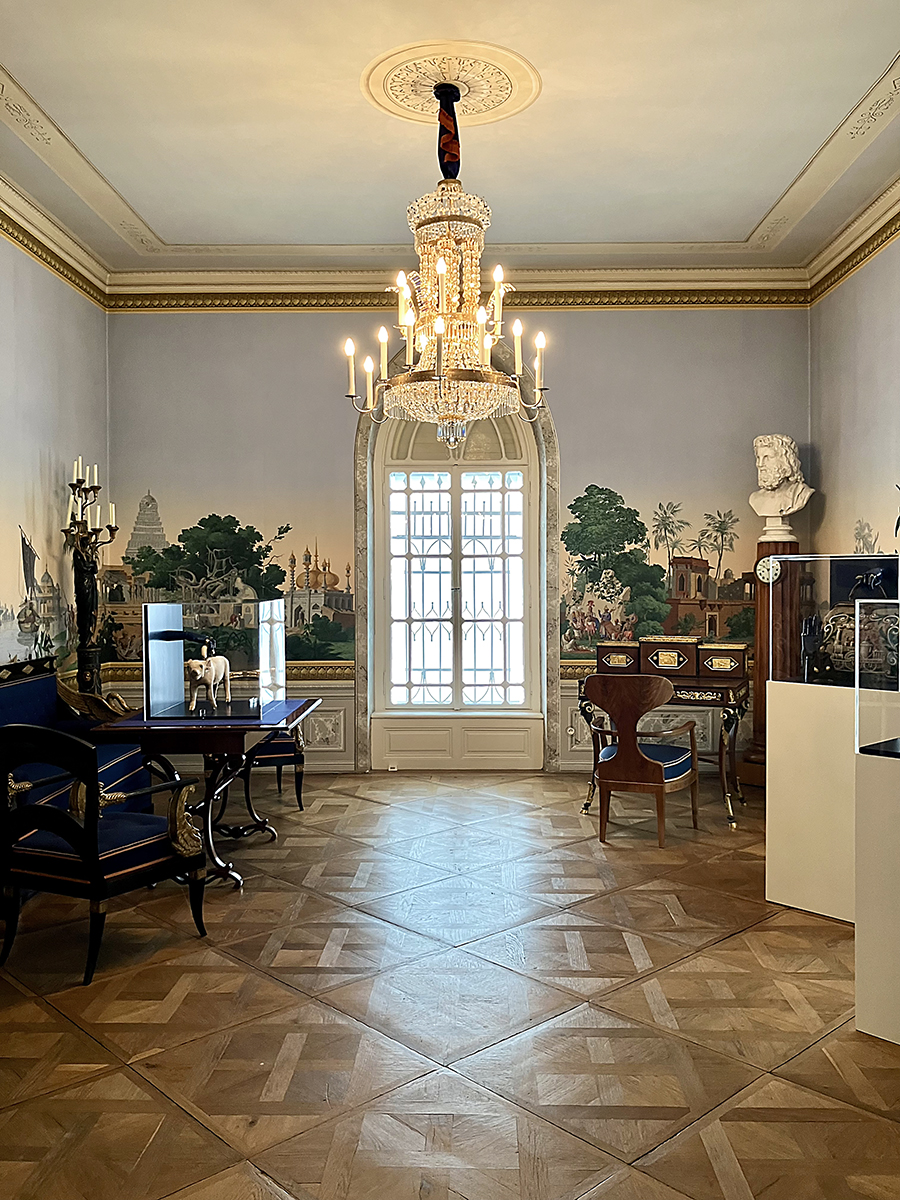
The exhibition “Sidekicks” presents a selection of the most beautiful and interesting pieces from the MAK collection in the magnificent Biedermeier ambience of the Geymüllerschlössel. From enchanting medieval bead bags to embroidered Biedermeier travel bags, minimalist, exquisite handbags designed by Josef Hoffmann, and luxurious bags by Dior and Gucci, the exhibition also includes a whimsical object in the form of a piglet with a handle by Carol Christian Poell.
The bags are flanked by finger rings from the MAK collection. Rings from the Middle Ages to the present day are presented alongside the bags. From bishop's rings, mourning rings, enameled finger rings by Renée Lalique, and designs by Dagobert Peche to contemporary ring sculptures by Austrian jewelry artists.
On this journey through the centuries, handbags and finger rings form delicate relationships with each other, creating new narratives for the 21st century.